Song Meaning
The narrator's dying wish is to be buried inside a black piano, a stark image that immediately sets a somber, almost gothic tone. This isn't a typical burial; it's a desire for a unique, musical afterlife. The repeated "Do ré mi fa seul la si do" acts as a melancholic, fragmented musical phrase, perhaps representing the incomplete nature of life or the finality of death.
The central tension lies in the contrast between the finality of death and the enduring presence of music and nature. The request to "écrivez dessus comme il faut" (write on it properly) and that "Il faisait bien son numéro" (it did its job well) suggests a respect for the piano's function, even in death. The subsequent wish to "mettre à l'eau" (put it in the water) and let it "vogue" (drift) introduces a surreal, almost peaceful element, transforming the burial into a final, solitary voyage.
The most striking craft element is the persistent image of the black piano as a vessel for the deceased, likened to a "corbeau" (raven). This dark, avian imagery reinforces the somber mood. The repetition of the musical scale, broken and isolated, underscores the sense of loss and finality. The idea of birds landing on the floating piano offers a surprising, almost beautiful, image of nature reclaiming or interacting with this unusual tomb, suggesting a form of transcendence or continued existence.
These lyrics are effective because they create a vivid, unconventional picture of death that is both stark and strangely serene. The specific, almost literal instructions for the piano's fate, combined with the fragmented musical motif and the final image of birds, leave a lasting impression of a unique soul seeking a final, resonant resting place. It's a powerful, singular vision of what comes after.
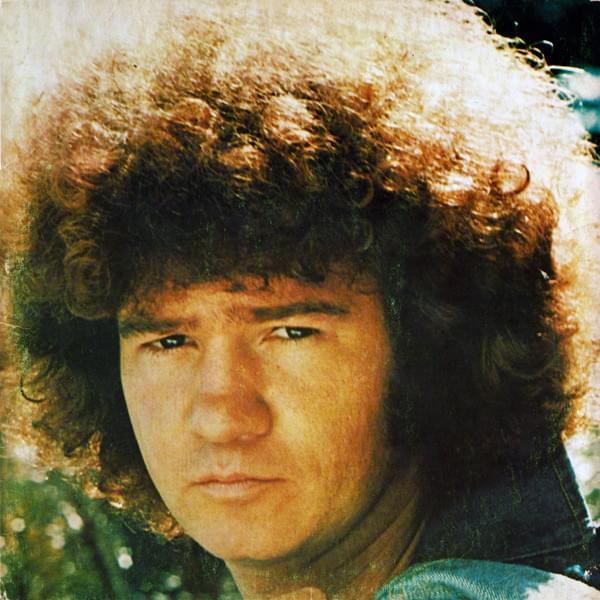
 View Artist