Song Meaning
The lyrics paint a picture of profound inertia and a bleak, almost surreal, sense of being stuck. The opening lines, "Que c'est qu'c'est ça / D'la bouillis bouillis bouillis bouillis pour les chats," immediately establish a tone of nonsensical repetition and a feeling of being fed something unappetizing. The narrator expresses a lack of comfort and warmth, "J'ai pas ben chaud / Sans mon capot," and a deep-seated disinclination to engage with the world, preferring to "J'reste dans mon lit / Pis j'fais des p'tits maudits." This self-absorption is a recurring theme, highlighting a withdrawal from external reality.
The central tension arises from a desire for change or escape, coupled with an overwhelming inability to enact it. The repeated refrain of "J'sais pas comment / J'sais vraiment pas comment / Faire autrement sacrament" underscores this paralysis. There's a sense of longing for maternal comfort ("J'm'ennui d'maman") juxtaposed with the mundane, repetitive nature of existence, described as "Temps en temps temps en temps." The environment is depicted as oppressive and stagnant, with phrases like "C'est ben trop blême" and "Ça pu l'carême," suggesting a pervasive dullness and a lack of spiritual or emotional renewal.
The lyrics employ a fascinating blend of childlike simplicity and existential despair. The repetitive, almost nursery-rhyme-like structure of some phrases, like "bouillis bouillis bouillis" or "ouin din limbes ouin din limbes," creates a hypnotic, disorienting effect. This contrasts sharply with the stark pronouncements of hopelessness, such as "C'est ben trop noir / J'me fais avoir / Dans le crachoir du désespoir ciboire." The inclusion of seemingly random, intrusive parenthetical phrases like "(svez vous des puces)" or "(Move tes sinus)" adds to the surreal, fragmented quality, as if internal thoughts are battling external commands or observations that offer no real solution.
Ultimately, the effectiveness of these lyrics lies in their raw, unvarnished portrayal of feeling trapped. The narrator isn't actively fighting their circumstances but is instead submerged in them, unable to find a way out or even articulate a clear path forward. The final lines, "So ton sensas / Met tes shoeclac dans ton packsac / Pis prend ça slack / Ou ben débarque / Envoye par là......," offer a dismissive, almost aggressive, suggestion of departure, but it feels less like a genuine solution and more like a final, exasperated shrug, reinforcing the pervasive sense of an unresolvable impasse.
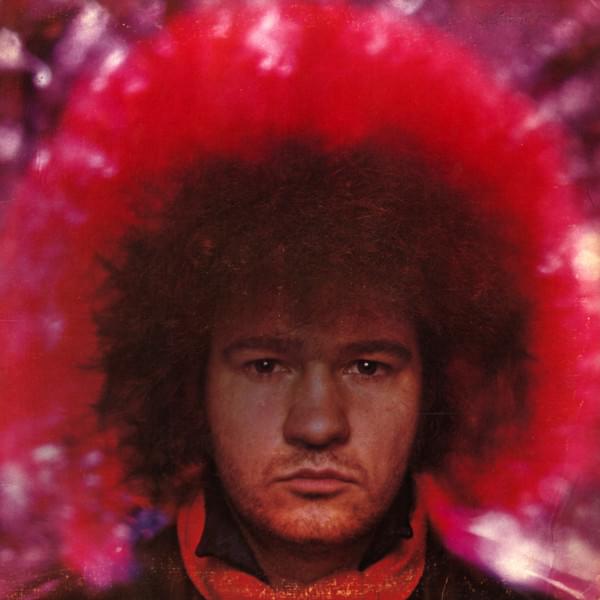
 View Artist