Song Meaning
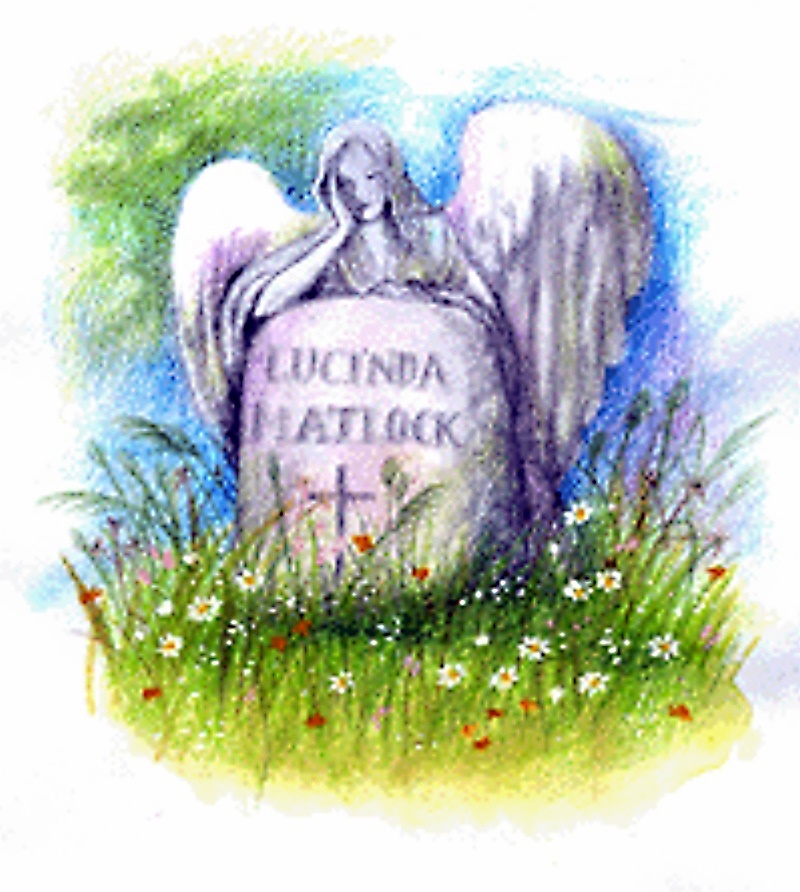
Lucinda Matlock recounts a life lived fully, from youthful dances and finding love to enduring hardship and finding peace. The opening lines establish a sense of active participation in community and romance, moving from social gatherings to a profound personal connection. This sets the stage for a narrative that spans decades, marked by both joy and significant loss, particularly the deaths of eight of her twelve children before she reached sixty. This early tragedy underscores the resilience required to sustain a long and productive life.
The core of Matlock's experience appears to be a deep engagement with the world through labor and appreciation of nature. She details a life of domesticity and caretaking – spinning, weaving, keeping house, nursing the sick, and tending a garden. Yet, this is balanced by moments of freedom and connection to the natural world, described as rambling over fields, gathering shells, flowers, and medicinal weeds. This duality highlights a life that was both grounded in responsibility and enriched by simple, profound pleasures.
The lyrics' power lies in their directness and the striking contrast between Matlock's lived experience and the complaints she hears from others. Her assertion that "Life is too strong for you—It takes life to love Life" serves as a defiant summation. It suggests that embracing life, with all its inherent difficulties and sorrows, is the only way to truly live it. This perspective challenges notions of weariness and discontent, framing them as a failure to fully engage with existence.
Ultimately, Matlock's narrative is a testament to a life of purpose and endurance. Her final declaration, delivered at ninety-six, is not one of regret but of profound satisfaction and a gentle dismissal of those who complain. The lyrics suggest that a life fully lived, marked by work, love, loss, and an appreciation for the natural world, is the ultimate answer to sorrow and weariness.
 View Artist