Song Meaning
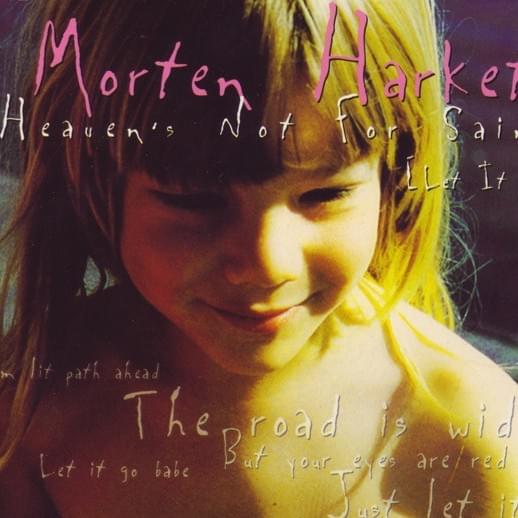
These lyrics open with a striking, almost subversive declaration: "Heaven's not for saints." This immediately sets a tone of unconventional wisdom, suggesting that peace or acceptance isn't reserved for the perfect, but perhaps for those who have lived fully. The narrator urges someone to "Let it go, babe," acknowledging a past burden encapsulated by the image of a "cup" that's now "filled it up."
The core tension arises from the contrast between the external world and the internal state. While "the road is wide," the person being addressed has "eyes are red," indicating distress or exhaustion. The repeated image of a "Dimlit path ahead" underscores uncertainty, yet the narrator's gentle insistence to "Just let it go" offers a clear, albeit challenging, path forward from this emotional crossroads.
The most compelling craft element is the blend of intimate address and profound, almost spiritual, guidance. The narrator calls out, "Child, my brother," grounding the advice in deep care, even as they observe the person is "Close to the edge." This urgency is tempered by the natural wisdom of the "River knows the way," suggesting an inherent flow to life that can guide even when "light fades away." The idea that "Your father in your son" and "Life has just begun" offers a powerful message of continuity and renewal, even in moments of perceived ending.
Ultimately, these lyrics resonate because they offer a compassionate framework for release. They don't deny the struggle or the dimness of the path but instead provide a comforting, almost ancestral voice that encourages letting go of burdens. The repeated mantra, culminating in the re-assertion that "heaven's not for saints," suggests that true peace comes not from perfection, but from embracing one's full, imperfect experience and finding the courage to move forward.
 View Artist