Song Meaning
This serenade opens with a fervent offering, a cascade of "roses and gold" presented to a figure addressed as "Pahana" and "lord." The repetition of "roses, roses and gold" emphasizes the richness and abundance being given, suggesting a deep sense of gratitude and devotion. The immediate tone is one of profound thanksgiving, a spiritual and material surrender to a higher power or beloved entity.
The lyrics then firmly establish a sense of belonging and divine inheritance. The land is declared "the land of our fathers," a home "given to us by the creator" for eternal peace and plenty. This connection to the earth and its bounty is central, positioning the "creator" as the ultimate source of this sustained prosperity. The abstract concept of "love" is intertwined with the divine, given "wings" to soar, mirroring the natural cycles of sun and harvest moon.
A shift occurs as the focus moves to the tangible act of harvesting. The image of lighting a pipe when "corn is ripe" grounds the spiritual in a specific, ritualistic practice. Smoking "the peace of the world" and praising it connects the personal act of consumption to a broader, communal sense of harmony. This ritualistic peace, tied to the harvest and the "harvest moon," reinforces the cyclical nature of life and the blessings received.
The recurring phrase "love is lord, and lord has wings" acts as a powerful refrain, linking divine authority, boundless affection, and the freedom to transcend. It suggests that true power and spiritual elevation are found in love, which, like the winged lord, can reach any height. The repeated invocation of "Taiowa, creator" at the end solidifies the spiritual foundation of this entire offering and declaration of belonging.
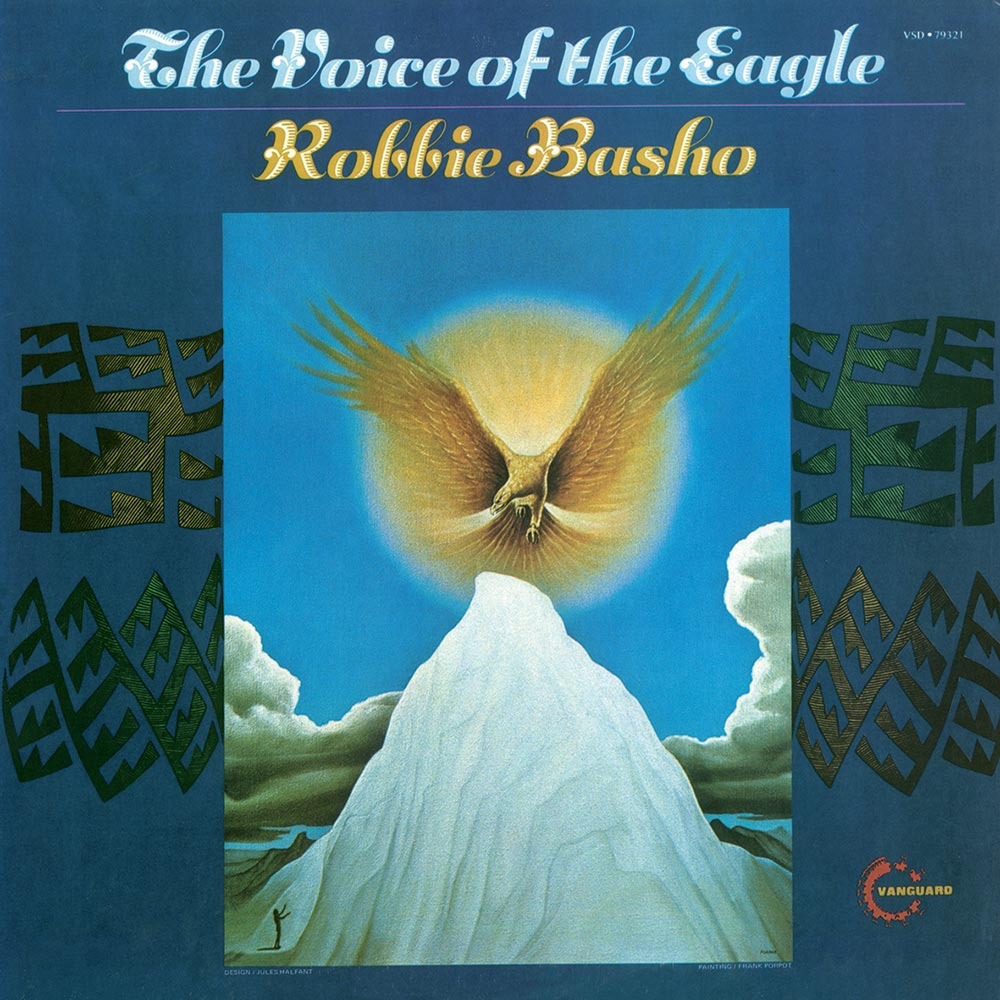
 View Artist