Song Meaning
Robben Ford's "Water for the Wicked" isn't just a blues lament; it's a stark psychological portrait of desperation and the search for redemption. The song's power lies in its concise depiction of individuals driven to the edge, haunted by 'misdeeds' and exiled from their own potential. Ford paints a picture of people consumed by an inner 'fire,' a relentless craving that pushes them towards self-destructive choices. This burning need, this 'fever,' transforms into a spiritual and emotional desert, a landscape where even basic human decency withers, and 'greed becomes a desert, and it makes a man a thief.'
The recurring plea for 'water for the wicked' echoes the parable of Lazarus, highlighting the torment of those who have lost their way. It's not a call for absolution, but a desperate yearning for even the smallest measure of relief. The lyrics underscore a profound sense of judgment, where 'the law will lower the hammer,' suggesting consequences are inevitable. The crucial question becomes: in the face of such condemnation, 'from where will mercy come?' This line isn't just theological; it's a deeply human inquiry into empathy and the possibility of forgiveness, both from external forces and from oneself.
Ultimately, the song suggests that true salvation lies in rediscovering the 'childlike heart we left behind.' This is a direct challenge to the cynicism and hardened exterior that results from a life of poor choices. Ford hints that within that lost innocence resides 'the light from which all mercy comes.' In this context, the 'water' transforms from a symbol of fleeting relief to a metaphor for profound, internal healing. "Water for the Wicked" becomes a powerful meditation on the interplay of personal responsibility, societal judgment, and the enduring human need for grace. It's a reminder that even in the darkest corners of the human experience, the potential for redemption flickers.
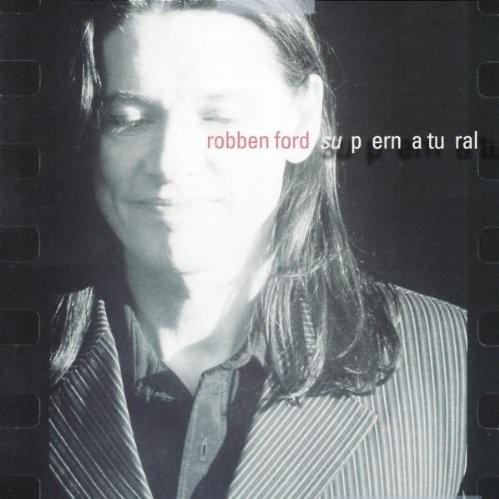
 View Artist