Song Meaning
Robben Ford's "Good To Love" isn't just a love song; it's a study in the disarming power of connection. The opening lines hint at a prior resistance, a reluctance to fully commit. But the object of his affection, with their "beautiful face and beautiful form," possesses an almost overwhelming allure, disrupting his carefully constructed emotional defenses. The lyrics paint a portrait of a love that transcends mere physical attraction, escalating into a transcendent experience – "dancing on the moon."
The song's simplicity is its strength. Ford avoids complex metaphors, opting instead for direct, heartfelt declarations. Imagery of carefree moments – "running down the beach with your umbrella, playing like kids in the sand" – underscores the rejuvenating effect of this love. It’s not just passion, but a return to childlike joy and innocence. This person becomes a sanctuary, a "refuge," capable of inspiring profound change. The singer willingly relinquishes control, surrendering to the inescapable pull of devotion.
However, there's a subtle undercurrent of vulnerability. The line, "Sometimes I think I must be crazy," acknowledges the potentially irrational nature of love, the way it can eclipse all other possibilities. Yet, this perceived "craziness" is ultimately embraced because "you make life worth livin'." In essence, “Good To Love” explores how a single relationship can redefine one’s entire perspective, transforming the mundane into something extraordinary and making the world, previously "a great big world out there," seem manageable, and even beautiful.
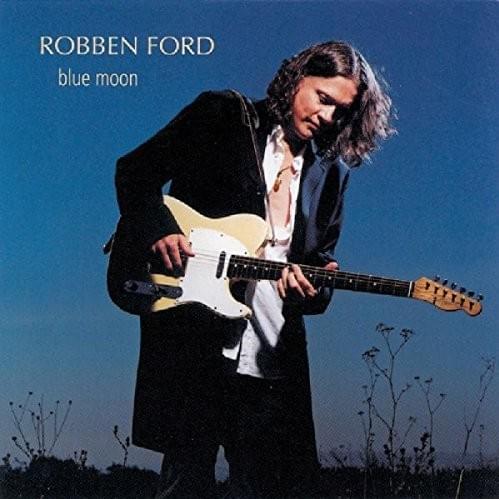
 View Artist