Song Meaning
Rob Zombie's "The Man Who Laughs" isn't just another horror-punk anthem; it's a twisted carnival mirror reflecting the grotesque underbelly of power and exploitation. The song meaning, buried beneath the chainsaw guitars, points towards a disturbing transaction: the systematic corruption and manipulation of innocence. The lyrics explicitly mention transforming children into "flesh and living slaves," a stark image that serves as the thematic core. This isn't mere shock value; it's a commentary on the historical and ongoing abuse of the vulnerable by those in positions of authority.
The repeated refrain, "The man who laughs," takes on a particularly sinister tone when contextualized within these images. Is it the oppressor, reveling in their cruelty? Or is it Gwynplaine, the disfigured protagonist of Victor Hugo’s novel *The Man Who Laughs*, forced to grin through unimaginable suffering? The reference to “King James’ mighty hand” further roots the song in historical power dynamics, evoking an era of royal decrees and sanctioned brutality. The juxtaposition of “noble jackals” banished from England with the plight of the cold and hungry suggests a world where justice is inverted, and true predators thrive under the guise of legitimacy.
Ultimately, "The Man Who Laughs" is a bleak exploration of how power deforms and corrupts. The laughter isn't joyous; it's the hollow, echoing sound of a system built on exploitation, where innocence is bartered and twisted into grotesque forms. The song taps into primal fears of manipulation, forcing listeners to confront the uncomfortable reality that the monsters aren't always lurking in the shadows – sometimes, they're wearing crowns and wielding mighty hands.
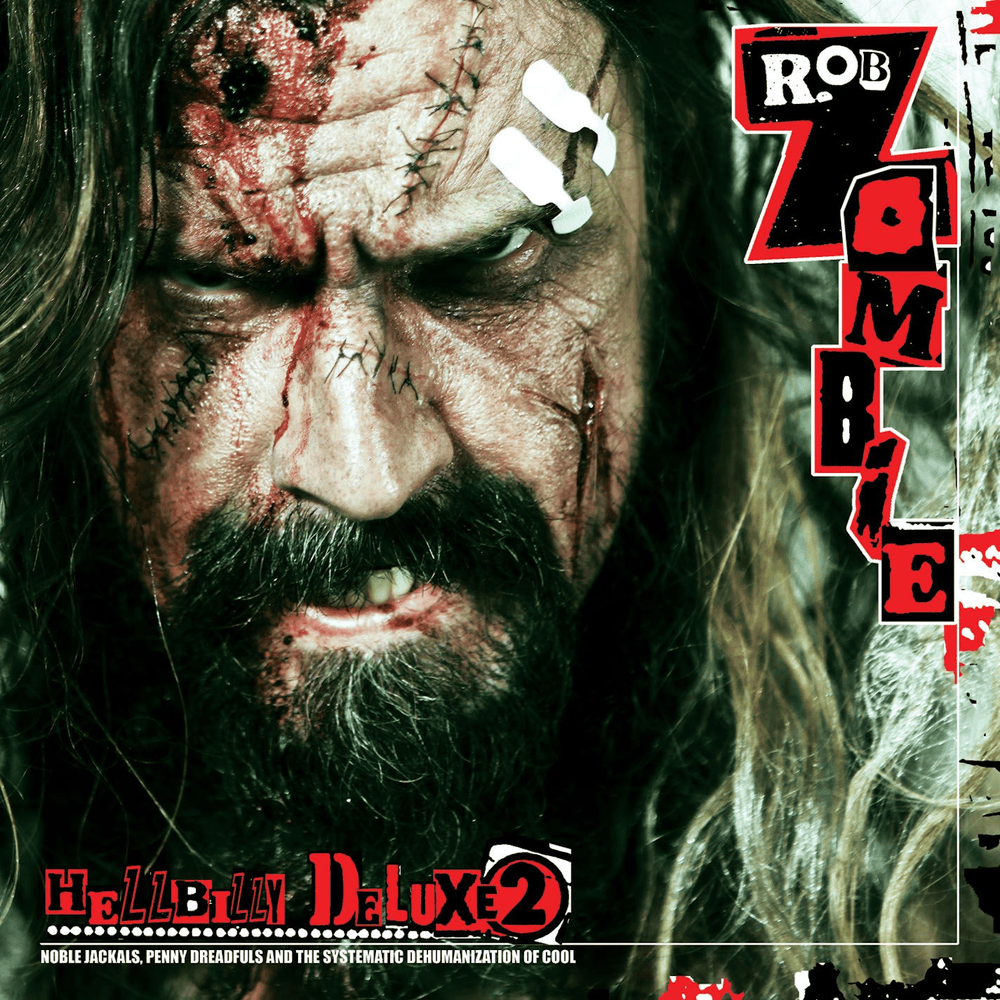
 View Artist