Song Meaning
The lyrics paint a stark picture of alienation in a mundane setting, focusing on an outsider with "big dark eyes" in a "grey flat land." There's an immediate sense of not belonging, of being ostracized, as the narrator observes the subject "standing on the side." The contrast between the subject's attire – a "sweater over your sarong" – and the location, "a flat in Waddinxveen," highlights a displacement that feels both physical and cultural, emphasizing a profound distance from "people around you."
The core tension lies in the shared experience of being an outsider. The narrator, witnessing this, identifies with the subject's isolation, declaring, "I am just as strange as you." This isn't a statement of pity but of solidarity, a recognition of mutual otherness. The repeated refrain "Stranger, I’d rather not belong either" underscores a desire to opt out of social circles that feel unwelcoming, suggesting that the pain of exclusion is preferable to forced inclusion.
A particularly poignant detail is the "beautiful slender brown hand" making a "hesitant gesture," questioning its place: "Am I a friend or do I not count?" This small, uncertain movement encapsulates the vulnerability of someone seeking connection but fearing rejection. The lyrics then juxtapose the subject's awareness of "hunger" with the realization that "prosperity also hurts," hinting at a complex inner life that transcends simple material needs and points to a deeper existential ache, a void where "your god should have been" under the "neon light."
Ultimately, the effectiveness of these lyrics stems from their grounded, specific imagery and the narrator's empathetic projection. The image of seeing the subject from a passing train, wondering if "I would be just as lonely in your world," is a powerful moment of imaginative connection. It transforms a fleeting observation into a profound reflection on shared human isolation, making the abstract feeling of being a stranger intensely palpable through concrete, relatable details.
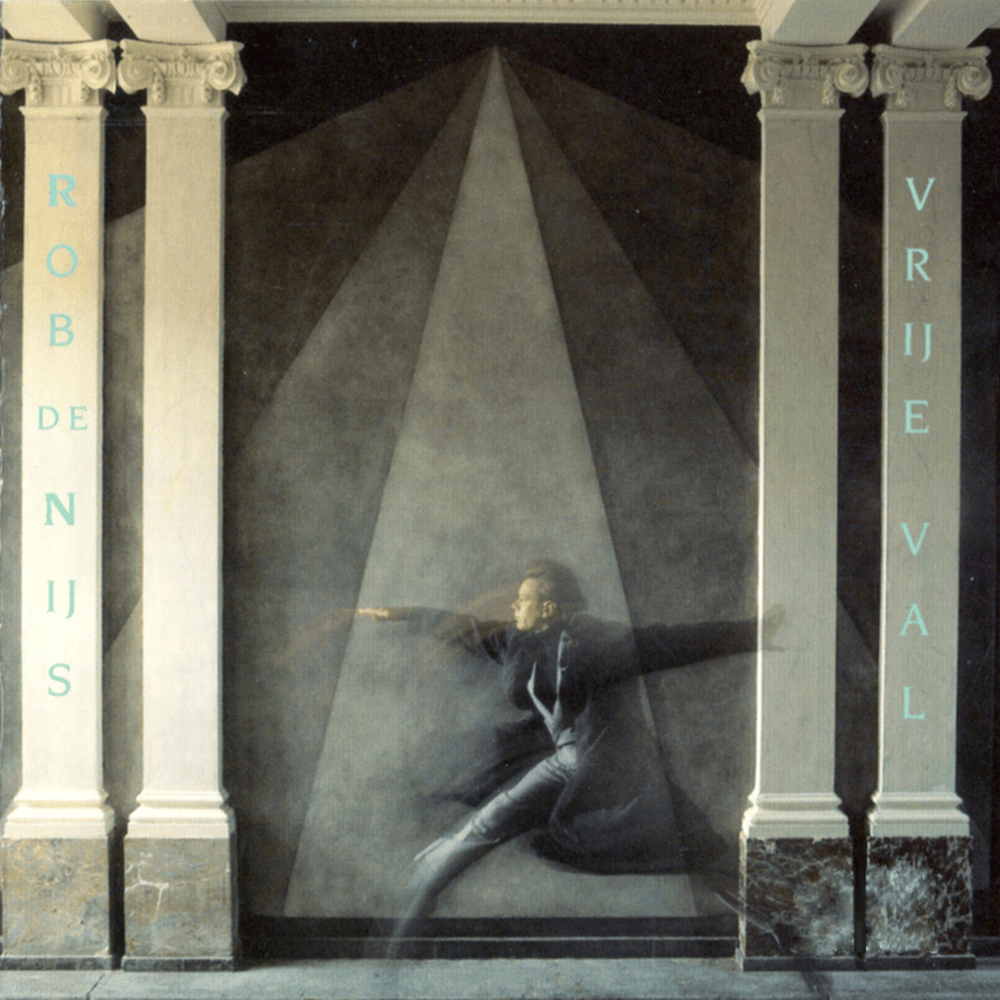
 View Artist