Song Meaning
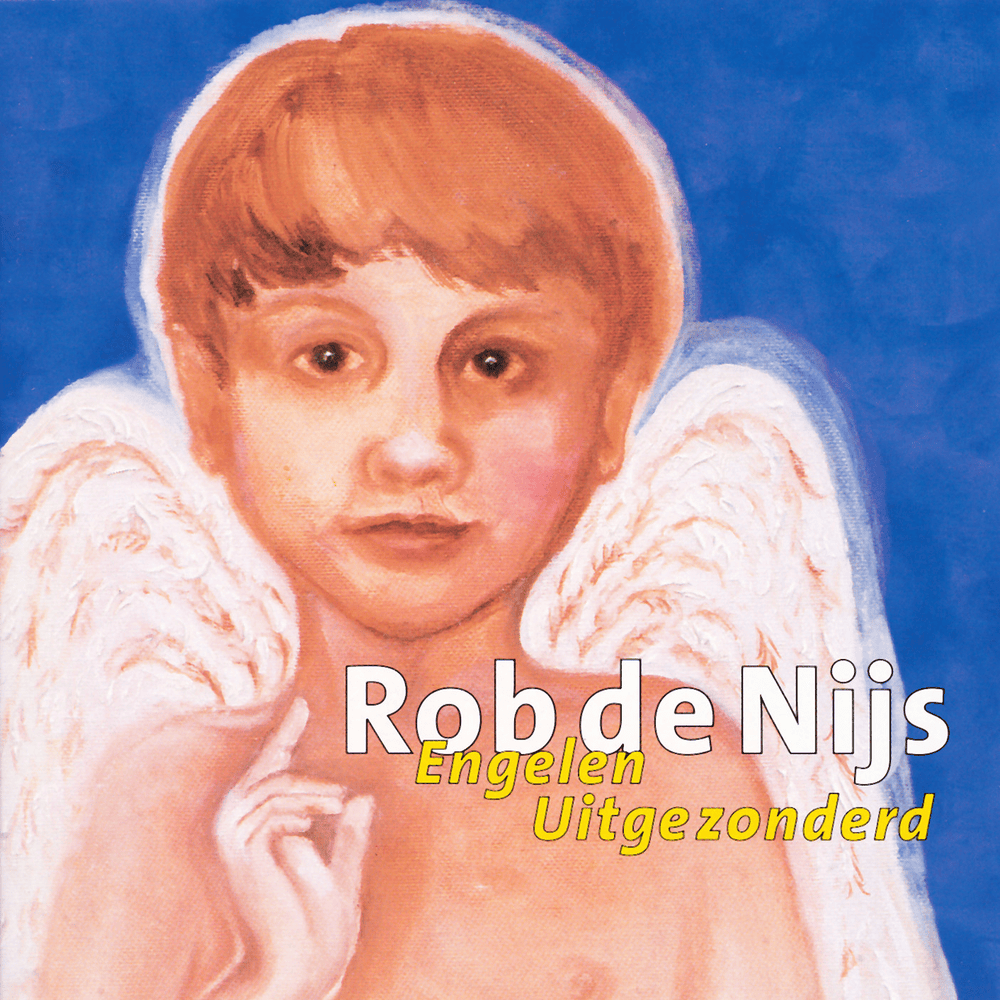
The lyrics paint a raw, immediate picture of a parent confronting a devastating diagnosis for their child. Initially, the narrator recounts cherished dreams of a typical family life, envisioning milestones like first steps and a child's place within the home. This hopeful past sharply contrasts with the present, where the narrator feels utterly powerless in the face of a doctor's grim prognosis. The phrase "Kapotte engel" (broken angel) immediately establishes the profound sense of loss and helplessness. The narrator grapples with the fundamental question of their role as a father when their child cannot see or hear, expressing deep anguish and confusion. The lyrics reveal a desperate yearning for a "gewoon gezond kindje terug" (just a healthy child back), highlighting the immense pain of unfulfilled expectations and the struggle to accept the reality.
The central tension lies in the conflict between the narrator's profound grief and their emerging resolve. The lyrics move from despair and questioning ("Waarom ben jij ooit geboren" - Why were you ever born) to a fierce protective instinct. This shift is powerfully illustrated by the image of the sleeping child with open hands, seemingly trusting and innocent, which seems to awaken a dormant strength in the narrator. The narrator's internal struggle is palpable as they question their own ability to cope and even consider fleeing, only to find a new purpose.
The most striking aspect of the writing is the dramatic pivot from despair to fierce protectiveness. The narrator's initial plea, "Wie kan dit veranderen" (Who can change this), and the admission of wanting to flee, reveal a deep vulnerability. However, the child's innocent posture, "Met je handjes open" (With your little hands open), acts as a catalyst. This simple image seems to galvanize the narrator, leading to a powerful declaration: "Vanaf vandaag zal ik voor je vechten" (From today on I will fight for you). The repeated assertion, "Wie aan jou komt, kind, Die komt aan mij" (Whoever comes for you, child, comes for me), solidifies this newfound commitment, transforming the broken angel into something fiercely claimed and protected.
This lyrical progression is what makes the song so impactful. It doesn't shy away from the brutal reality of the situation or the parent's initial feelings of inadequacy and despair. Instead, it charts a course through that darkness towards a powerful, albeit painful, love and determination. The raw honesty of the narrator's struggle, culminating in a vow of unwavering protection, resonates deeply, offering a testament to the fierce, transformative power of parental love in the face of unimaginable adversity.
 View Artist