Song Meaning
These lyrics plunge us into a moment of profound internal debate, where a speaker weighs the immense risk of revealing a painful past against the desperate hope for acceptance. The act of confession is framed as "testifying," immediately signaling the gravity and high stakes involved. There's an immediate, palpable fear: "If I testify would you curse my name / Never call me friend again."
The central tension here is the speaker's yearning for liberation from their "darkest hours"—a freedom they believe can only come through honesty—clashing directly with a deep-seated anxiety about losing the affection and utility they currently hold in someone's life. The repeated, almost pleading questions, "Wouldn't I still be the person you love / And couldn't I still be the person you need," lay bare this emotional tightrope walk. It's a raw plea for unconditional regard.
The craft of repetition is particularly potent. The phrase "If I testify" echoes throughout, building a palpable sense of internal struggle and the sheer weight of the decision. This hesitant, conditional phrasing then dramatically shifts to a resolute declaration: "'cause this morning I will testify." This pivot from contemplation to commitment is a powerful moment, showing the speaker moving past their fears to embrace a difficult truth.
Ultimately, these lyrics resonate because they capture a universal human experience: the terrifying vulnerability of exposing one's true self, flaws and all, to another. They articulate the deep-seated hope that even after revealing our most guarded secrets, the love and connection we cherish will endure, offering a path to being "set me free at last."
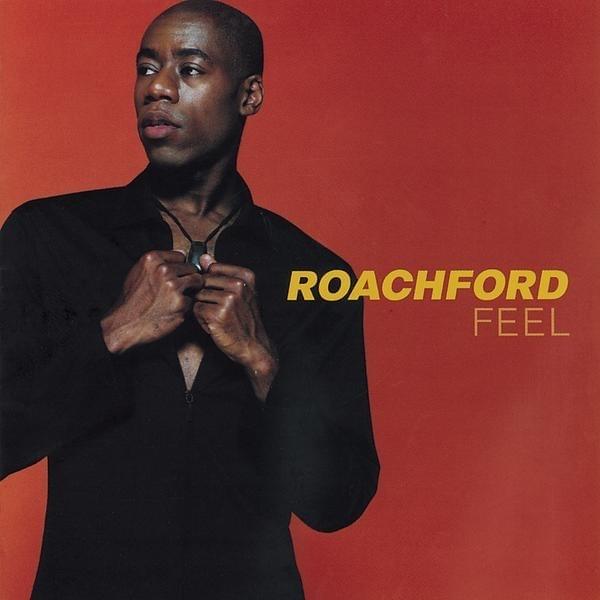
 View Artist