Song Meaning
The lyrics immediately throw us into a tense internal battle. The speaker recognizes "the writing is on the wall," an inescapable truth about a relationship. Yet, there's a powerful, almost desperate refusal to "believe what's written in front of me." This sets up a profound conflict between knowing and accepting.
At the heart of this struggle is a devastating realization: "to love you means to set you free." This isn't a simple breakup but a redefinition of love itself, demanding a painful sacrifice. The speaker's persistent "feeling" acts as an internal oracle, relentlessly pushing towards this difficult, counterintuitive truth. It's further complicated by the haunting question, "Is this really love at all," which casts doubt on the entire foundation of the connection.
The craft here hinges on relentless repetition, creating a sense of inescapable mental loop. Phrases like "the writing is on the wall" and the command "just move on" echo like an insistent internal monologue. This repetition isn't just for emphasis; it mirrors the speaker's mind grappling with an unavoidable decision. The personification of "this feeling" as an entity "saying" or "telling me" externalizes the inner turmoil, making the call to "move on" feel less like a choice and more like a fated imperative.
Ultimately, these lyrics resonate by capturing the raw agony of confronting a truth you desperately want to deny. They articulate the painful paradox where the deepest form of love might necessitate letting go. By centering on the internal struggle between denial and an insistent "feeling," the song effectively portrays the emotional weight of sacrificing personal desire for what's perceived as a higher, albeit heartbreaking, form of love. It's a powerful exploration of love's most difficult demands.
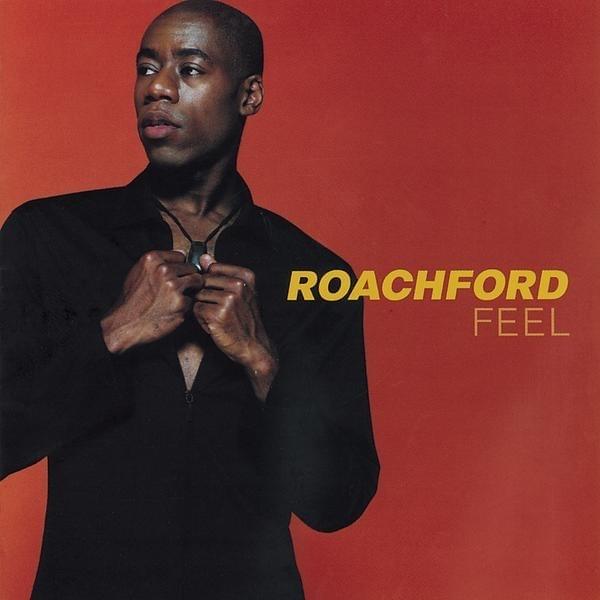
 View Artist