Song Meaning
R.L. Burnside's "Poor Boy" isn't just blues; it's a primal scream distilled into a few deceptively simple lines. The repetition isn't lazy; it's the mantra of a soul stripped bare. He's a "poor boy" not necessarily in material wealth, but in spirit, adrift and acutely aware of his vulnerability. The opening line, repeated throughout, isn't just a statement of fact, but a desperate attempt to ground himself in a reality that's rapidly dissolving. "A long way from home" speaks to a profound alienation, a disconnection from belonging that goes beyond mere geography.
The assertion that "the world can't do me no harm" reads initially as defiant, yet it's undercut by the preceding lines and Burnside's delivery. It's less a boast and more a weary resignation. What more *can* the world take? He's already lost everything that truly mattered. This idea is starkly amplified by the brutal confession, "My baby, she's dead and gone." It's delivered with the same blunt force as the rest of the lyrics, devoid of sentimentality, as if mourning itself has become a hollow ritual.
Ultimately, the R.L. Burnside song's meaning lies in its unflinching portrayal of grief and displacement. "Poor Boy" is a study in existential loneliness, where the world's capacity for harm is rendered almost irrelevant in the face of personal tragedy. The song's power resides not in complex metaphors or lyrical acrobatics, but in its raw, unvarnished honesty. It's a blues standard, stripped back to its emotional core, leaving the listener with the chilling understanding that some wounds run too deep for any solace.
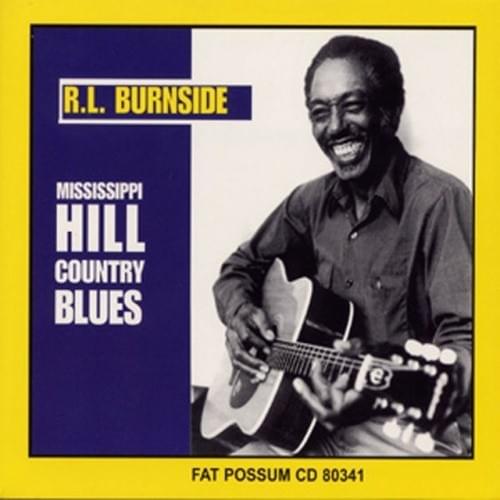
 View Artist