Song Meaning
R.L. Burnside's "Bird Without a Feather" isn't just a blues lament; it's a raw, unflinching glimpse into the psychology of love, betrayal, and the devastating consequences of impulsive action. The opening metaphor – "Just like a bird without a feather, you know I'm lost without your love" – immediately establishes a sense of vulnerability and dependence. The singer's identity is intrinsically linked to the presence of his lover, rendering him helpless and incomplete in her absence. This initial expression of need, however, serves as a stark contrast to the violent act that follows, highlighting the complex and often contradictory nature of human emotion. The image of a bird without a feather is a potent symbol of fragility and helplessness, emphasizing the speaker's dependence on his lover and the devastating impact of her absence.
The confession of shooting his lover injects a chilling dose of reality into the song. He justifies the act with the claim that "she did me wrong," revealing a twisted sense of justice and a fragile ego unable to cope with infidelity. The line, "the judge called it murder, now penitentiary is my home," underscores the irreversible consequences of his actions, trapping him in a self-made prison both physically and emotionally. This verse showcases a disturbing rationalization of violence, born from a toxic mix of possessiveness and wounded pride. The stark contrast between the initial declaration of love and the subsequent act of violence exposes the dark underbelly of passion and the destructive potential of unchecked emotions.
Despite the crime, Burnside doesn't shy away from the underlying affection. He repeats, "Yeah I love that woman, said she didn't love no one but me," clinging to the memory of a promised fidelity that ultimately proved false. This repetition underscores the depth of his emotional investment and the pain of betrayal. The final line, "but I caught my baby cheatin', now my home ain't where it used to be," encapsulates the totality of his loss – not only has he lost his lover, but he has also lost his freedom and sense of belonging. The "home" in this context represents not just a physical space, but also a state of emotional security and stability, now irrevocably shattered. The song ultimately paints a portrait of a man undone by love, driven to violence, and left to grapple with the devastating fallout of his actions.
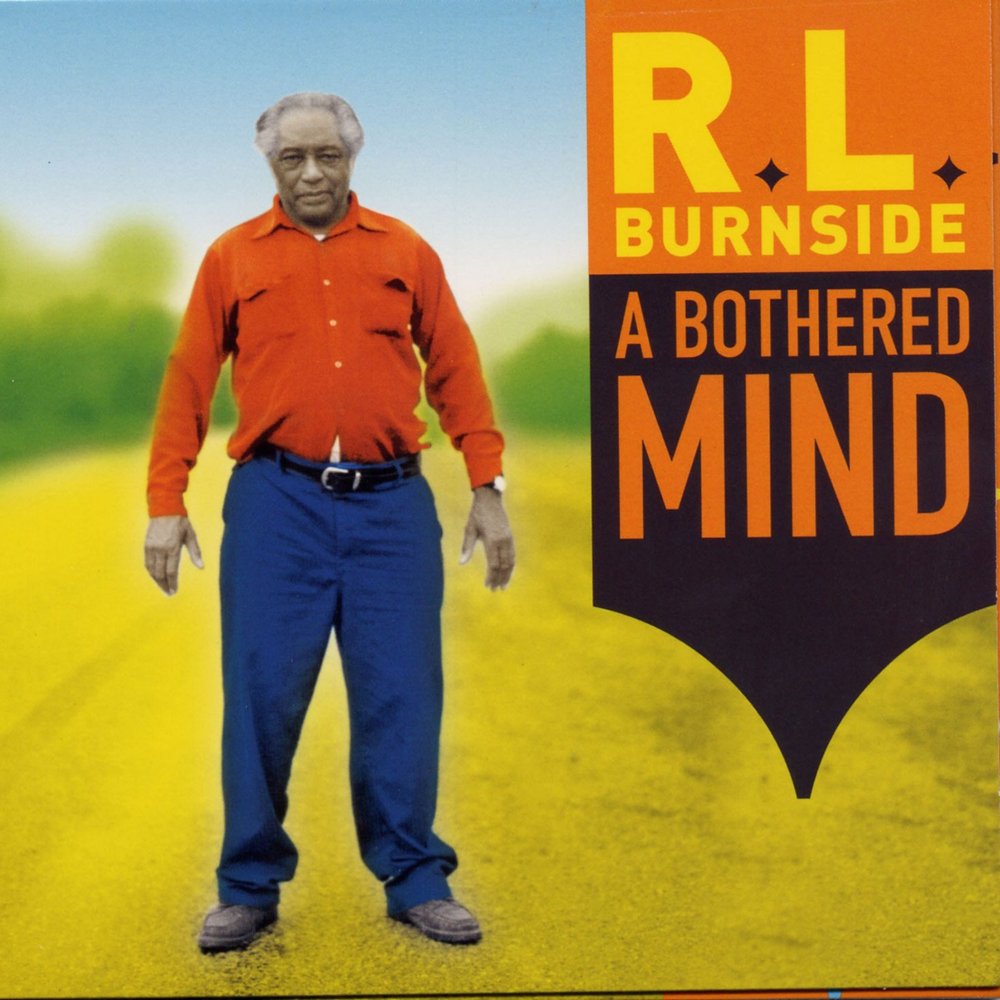
 View Artist