Song Meaning
This track opens with a declaration of self-acceptance and a redefined sense of wealth. The narrator asserts their right to happiness, finding richness not in possessions but in the promise of future stories and a life lived fully, stating, "Da vida nunca fugi." It’s a philosophy rooted in embracing experience over material gain, setting a tone of optimistic resilience.
The core tension emerges when life’s complexities arise. Faced with challenges, the narrator adopts a strategy of deferral, a conscious decision to "Penso nisso amanhã." This isn't about avoidance but a deliberate choice to prioritize present enjoyment and connection, refusing to let difficulties overshadow the immediate joy of a relationship. The contrast between living fully now and the potential for future complications is palpable.
The lyrics highlight a fascinating duality: the narrator sees themselves as a perpetual student, "sempre um aprendiz," yet also claims agency over their own path, being "dono do nariz." This blend of humility and self-determination is key. The ephemeral nature of capturing true connection in a photograph underscores the desire to "viver agora," making the present moment the ultimate currency.
Ultimately, the song resonates because it champions a mindful approach to life and love. It’s about recognizing that true wealth lies in experiences and relationships, and that sometimes, the most profound act of living is to consciously choose the present over the anxieties of tomorrow. The repeated "Não deixo pra amanhã" becomes an anthem for seizing the day, especially when it comes to matters of the heart.
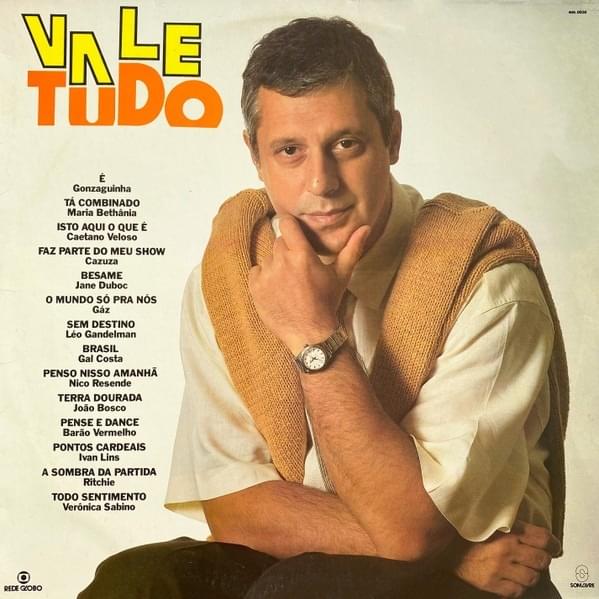
 View Artist