Song Meaning
The lyrics paint a portrait of a mother figure, initially perceived as free and radiant with a "sun crown," but who harbors hidden struggles behind "secret coal doors." The narrator observes this duality, recognizing the mother's bright laughter and the underlying pain she attempts to conceal. This duality suggests a complex internal life, perhaps driven by a maternal instinct to protect, even if it means masking her own difficulties. The phrase "that's how mothers are born to be" appears as a recurring, almost resigned, observation about this inherent nature.
The core tension lies in the narrator's complex relationship with this maternal figure, marked by a desire to be "so much like you" while also acknowledging the mother's mistakes and fears. The mother is depicted as weaving the narrator's path with "inner hands," implying a subtle but powerful influence on the narrator's life. This creates a sense of inherited traits and destinies, where the narrator feels inextricably linked to the mother's experiences and emotional landscape.
A striking image is the mother combing her hair with "violet combs" while sitting by the window, a moment of serene beauty juxtaposed with the later revelation of hidden "coal doors." This contrast highlights the careful curation of appearance versus the reality of inner turmoil. The recurring motif of "a sea of tenderness, wave after wave" offers a counterpoint to the struggles, suggesting an enduring, if sometimes overwhelming, maternal love that shapes the narrator's world and provides a sense of guidance, like being given "the paths."
The effectiveness of these lyrics stems from their intimate portrayal of a mother-child bond, focusing on the inherited emotional patterns and the quiet strength found within maternal roles. The narrator's direct address, "I touch your face, Mom," grounds the abstract reflections in a tangible moment of connection, acknowledging both the flaws and the enduring love. The final, repeated affirmation, "And you are with me," solidifies the lasting impact of this maternal presence, suggesting a deep, internalized connection that transcends the mother's own struggles.
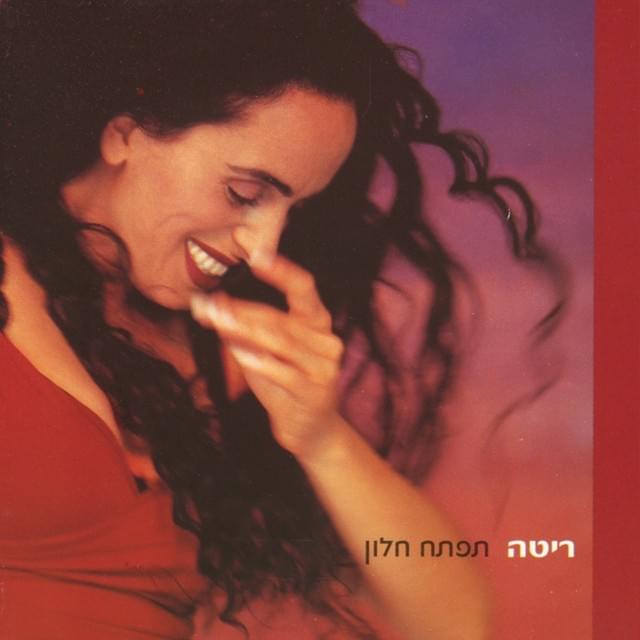
 View Artist