Song Meaning
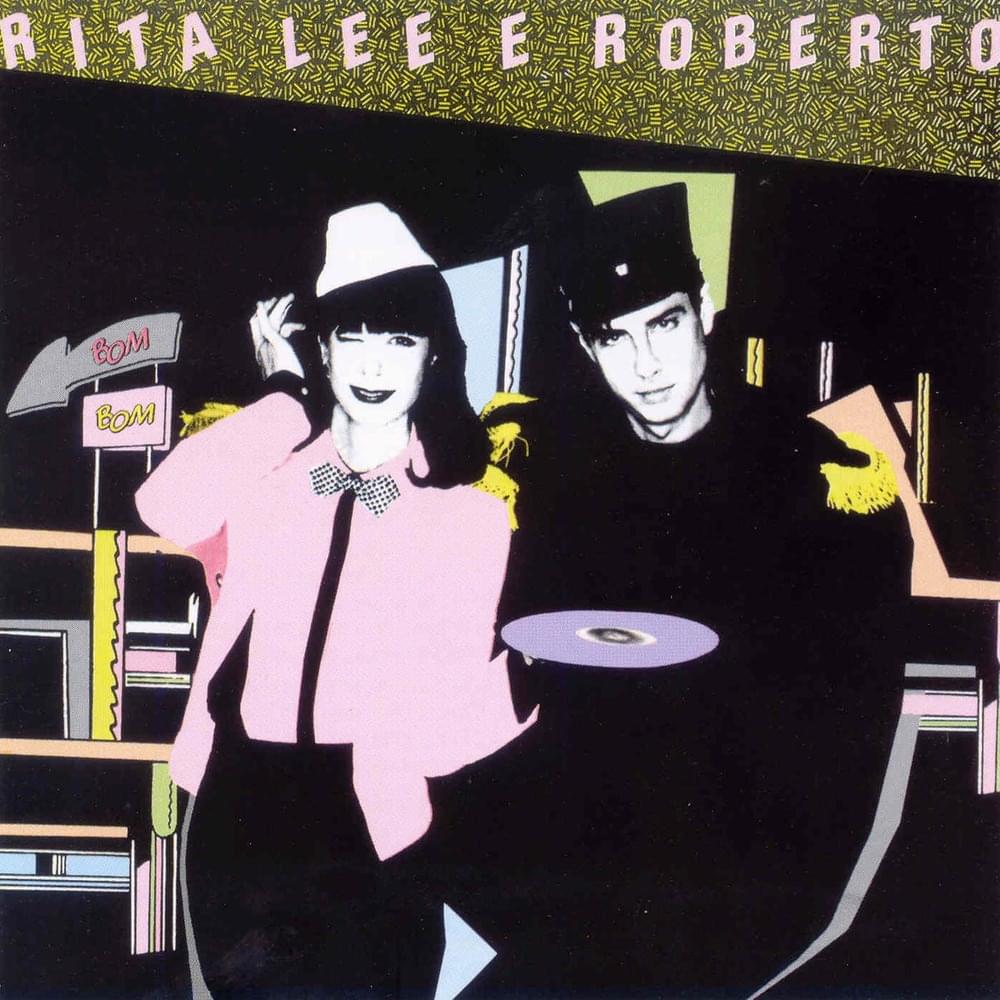
Rita Lee, the queen of Brazilian rock, offers a bite of pure, unfiltered desire in "Tentação do Céu." Stripped down to its most primal urges, the song operates as a concentrated dose of lust, a craving so intense it borders on the divine. Lee isn't interested in subtlety here; the lyrics are direct, almost carnal, in their pursuit of pleasure. The opening lines, comparing the object of her affection to a "cacho," a bunch of grapes, and a "uva madura," a ripe grape, immediately establish a framework of ripeness and indulgence. She casts herself as the fox, driven by an insatiable hunger for the other's sweetness. This isn't romantic longing; it's a visceral need.
The song's genius lies in its simplicity and repetition. The chorus, a mantra of "Tentação do Céu" (Temptation of Heaven), elevates the physical desire to a near-religious experience. The metaphor of heaven suggests that this earthly pleasure is the ultimate reward, a transcendence achieved through the body. "Néctar dos deuses," "sorvete de mel," and "mousse de chocolate" are not just sweet treats; they are symbols of the exquisite sensations Lee craves. The repetition of "Quero você nua / Debaixo da lua" (I want you naked / Under the moon) further emphasizes the raw, unadorned nature of her desire. It's a primal scene, stripped of pretense, where vulnerability and yearning intersect.
"Tentação do Céu" isn't just about wanting someone; it's about the intoxicating power of desire itself. Rita Lee, with her signature blend of irreverence and sensuality, captures the essence of temptation, transforming it into a potent and irresistible sonic experience. The song's repetitive structure mirrors the cyclical nature of craving, the way desire builds and intensifies with each passing moment. It's a celebration of the body, a rejection of shame, and an invitation to embrace the pleasures that life has to offer. Through her provocative lyrics, Lee reminds us that sometimes, the most heavenly experiences are found in the most earthly of desires.
 View Artist