Song Meaning
Rita Lee's "Minha Vida (In My Life) (Versão Pop)" isn't just a wistful glance backward; it's a carefully curated highlight reel of a life lived, filtered through the gauzy lens of memory and, crucially, selective remembrance. The lyrics aren't a comprehensive autobiography, but rather a series of evocative snapshots – places that resonate, paths diverged upon, loves both fleeting and enduring. The opening lines establish this immediately, acknowledging how certain locations trigger a cascade of personal history, hinting at a journey marked by both predetermined fate and conscious choices. It's the past, but a past actively shaped by the present.
The song acknowledges the ephemeral nature of memory itself. Some images fade like old photographs ("Cenas do meu filme em branco e preto / Que o vento levou e o tempo traz"), while others stubbornly persist. The repeated refrain, "De você me lembro mais" (I remember you the most), cuts through the nostalgic haze, suggesting a specific relationship that transcends the ordinary catalog of experiences. Is it a romantic connection? A profound friendship? The ambiguity is deliberate, allowing listeners to project their own significant figures into the narrative. The mention of a "primeiro namorado" (first boyfriend) and "uma estrela da TV" (a TV star) broadens the scope, implying a life touched by both the intimate and the public, but the emphasis remains firmly on the singular, unnamed "you."
Ultimately, "Minha Vida (In My Life)" is about the enduring power of certain connections to shape our personal narratives. It's not simply about remembering; it's about the *choice* of what we remember, and how those choices define us. The tattoos metaphor is especially potent. Among all the hearts etched onto the skin of her life, one stands out, indelible and impossible to forget. This speaks to a bond that has not only survived the passage of time but has also become permanently embedded in the singer's identity. Rita Lee isn't just recounting her life; she's revealing the emotional architecture upon which it was built, brick by brick, memory by cherished memory.
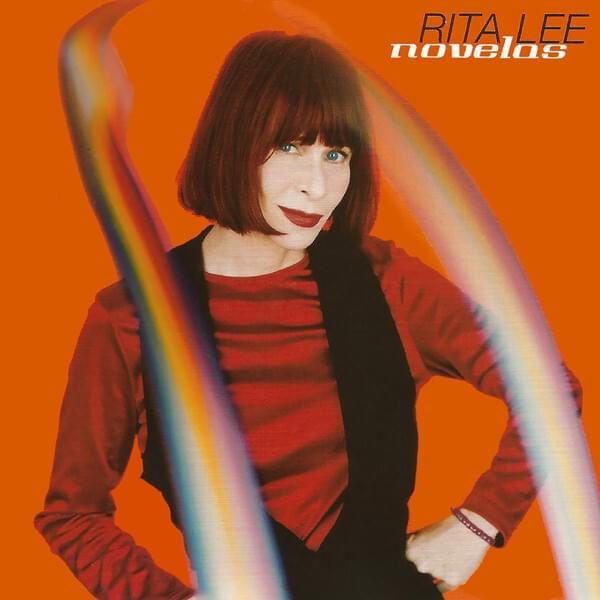
 View Artist