Song Meaning
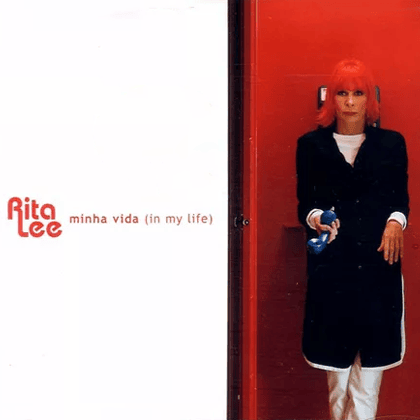
Rita Lee's "Minha Vida (In My Life)" isn't just a stroll down memory lane; it's a poignant reflection on the selective nature of remembrance itself. The lyrics paint a picture of a life lived, a journey through places, stories, and altered destinies, all filtered through the lens of time. Lee isn't simply recounting events; she's exploring the emotional residue they leave behind. The black-and-white film imagery suggests a past both distant and formative, its scenes carried away by the wind yet persistently brought back by time's currents. Amidst a panorama of loves and friendships, one figure stands out, demanding a more profound consideration. The repetition of "De você me lembro mais" (I remember you the most) acts as both a confession and a subtle assertion of control over her own narrative. It's an acknowledgment of the past's power, but also the present's ability to choose which memories hold sway.
The song delves into the psychology of memory, acknowledging how certain individuals become indelibly etched in our minds. The lyrics mention fleeting figures like a first love or a TV star, but these are mere placeholders compared to the central figure of the song. The "livro de memórias" (book of memories) and "cartaz" (poster) suggest a curated identity, a public persona carefully constructed and, at times, deliberately dismantled. The act of tearing pages from the poster hints at a desire to rewrite or erase certain chapters. Yet, the enduring presence of the "you" underscores the futility of such attempts. Some connections defy erasure, stubbornly clinging to the forefront of consciousness.
Ultimately, "Minha Vida (In My Life)" reveals the complex relationship between memory, identity, and enduring connection. The "desenhos que a vida vai fazendo" (drawings that life makes) fading and remaining, the "corações tatuados" (tattooed hearts), all symbolize the permanent marks left by experience. This isn't just about remembering a person; it's about acknowledging their profound impact on the speaker's very being. The final declaration, "De você, não esqueço jamais" (I will never forget you), carries a weight that transcends simple nostalgia. It suggests a bond that has shaped the speaker’s present self, a connection that time and circumstance can never fully diminish.
 View Artist