Song Meaning
Rita Lee's rendition of "Cry Me a River" isn't just a cover; it's a masterclass in sardonic dismissal. The song, at its core, is a kiss-off anthem dripping with disdain for a remorseful lover. But Lee elevates it beyond simple heartbreak. The repeated phrase "Cry me a river" becomes less a plea for tears and more a weaponized phrase, a verbal eye-roll directed at someone whose crocodile tears are seen as manipulative and, frankly, pathetic. It's a power play disguised as a ballad. The genius here lies in the juxtaposition of vulnerability and strength. The speaker acknowledges her own past suffering ("I cried a river over you"), thereby validating her emotional capacity. But this admission isn't an invitation for reconciliation; it's the foundation upon which she builds her fortress of indifference. She's already weathered the storm of heartbreak; his belated remorse is just a drizzle.
The lyrics make it clear this wasn't a mutual parting. The lines "You drove me, nearly drove me out of my head / While you never shed a tear" paint a picture of emotional abuse and neglect. The claim that love was "too plebeian" further underscores the ex-lover's condescending attitude. Rita Lee's delivery, no doubt, adds another layer to this meaning, likely delivering the lines with a cool detachment that amplifies the song's inherent bite. The plea for the ex to "prove" his love by crying a river is not a genuine request, but rather an impossible standard, a test designed to be failed. It's a game she's already won.
Ultimately, "Cry Me a River" transcends the typical breakup narrative. It's a study in emotional resilience, a declaration of self-worth forged in the fires of heartbreak. The song's meaning resides not in the sadness of lost love, but in the triumph of moving on, of recognizing and rejecting manipulative behavior. It's a song for anyone who's ever been gaslit, dismissed, or made to feel inadequate by a lover. And in Rita Lee's hands, it becomes a potent and unforgettable statement of female empowerment.
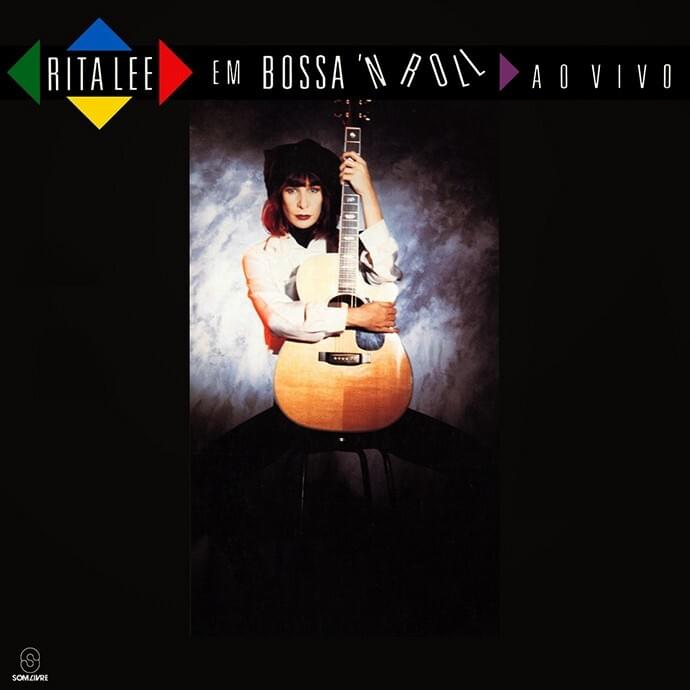
 View Artist