Song Meaning
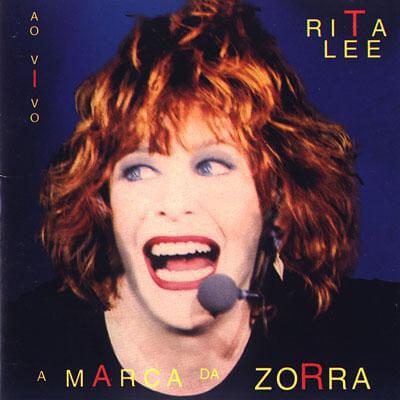
Rita Lee's "When You Were Mine" (translated from the original Portuguese) isn't a love song; it's a Molotov cocktail hurled at societal decay. The opening lines, a twisted welcome to Sodom and Gomorrah, immediately establish a landscape of moral and aesthetic ruin. This isn't just a critique; it's an immersion. We're not observing the downfall, we're trapped within it, prisoners in a dungeon of mediocrity's avatars. The song lyrics paint a picture of cultural imprisonment, where the listener is trapped in a cycle of bad taste and societal ills, devoid of help. The line "Não, não, não, não, não há quem lhe socorra" (No, no, no, no, no one to help you) emphasizes the feeling of isolation and hopelessness in the face of overwhelming negativity. The repetition of "Disk-Zorra direto" (Direct Disk-Zorra) is particularly striking; it implies a commodification of this chaotic state, a direct line to the madness.
Lee’s genius lies in the song's ambiguity. Is "Zorra" (which can translate to 'mess,' 'chaos,' or even a derogatory term for a woman) a product, a state of mind, or a symptom of something larger? The blunt question, "Que porra é essa?" (What the fuck is this?) underscores the bewilderment and outrage at the heart of the song meaning. It's a visceral reaction to the overwhelming sense of degradation. The "marca da Zorra" (mark of Zorra) becomes a brand, a signifier of the times, suggesting that this chaos isn't accidental, but a deliberate imposition, a stain on the collective consciousness.
Ultimately, "When You Were Mine" is a confrontational piece. It's a challenge to the listener to acknowledge the ugliness surrounding them and, perhaps, to question their own complicity in its perpetuation. It’s a call to recognize the "Zorra" within and around us, even if no easy solution exists. Lee doesn’t offer comfort; she offers awareness, a harsh but necessary awakening in a world teetering on the edge of self-destruction. The song's brevity amplifies its impact, leaving the listener with a lingering sense of unease and a burning question: how did we get here?
 View Artist