Song Meaning
The lyrics paint a picture of profound loss and the desperate yearning to undo it. The narrator feels time has stopped, each day a step further from a better place, symbolized by "o céu" (heaven). There's a palpable sense of regret, a desire to "emendar o que falhou" (fix what failed) and magically recapture a lost "tu e eu" (you and I). The intensity of this need is underscored by declarations like "tu és a minha vida, o ar que eu respiro" (you are my life, the air I breathe), framing the lost person as essential for survival.
The central tension lies in the conditional hope presented in the chorus: "Se eu acreditar que não te perdi / Se eu imaginar, que ainda estás aqui / E seu eu desejar, como quem ama faz / Será que o tempo volta para trás" (If I believe I haven't lost you / If I imagine you're still here / And if I wish, as one who loves does / Will time turn back?). This question reveals a fragile belief that sheer willpower and love might somehow reverse reality, highlighting the narrator's struggle to accept the finality of the separation.
The repeated imagery of light and touch emphasizes the void left behind. "Mais um dia sem a luz do teu olhar" (Another day without the light of your gaze) and the longing "Só queria o teu corpo abraçar" (I just wanted to embrace your body) show a deep physical and emotional absence. The narrator is trapped in a cycle of imagination and desire, "Vou imaginando onde tu estarás / Vou pedindo ao tempo para voltar para trás" (I keep imagining where you'll be / I keep asking time to go back), but this is ultimately met with the crushing realization, "Mas não sou capaz..." (But I'm not capable...).
This lyrical construction effectively conveys the debilitating nature of grief. The contrast between the powerful, almost magical, conditions for time reversal and the narrator's ultimate powerlessness creates a poignant emotional arc. It’s the raw, unvarnished expression of a love so strong it attempts to bend the laws of physics, only to be confronted by the immutable reality of loss, making the desire to turn back time feel both understandable and heartbreakingly tragic.
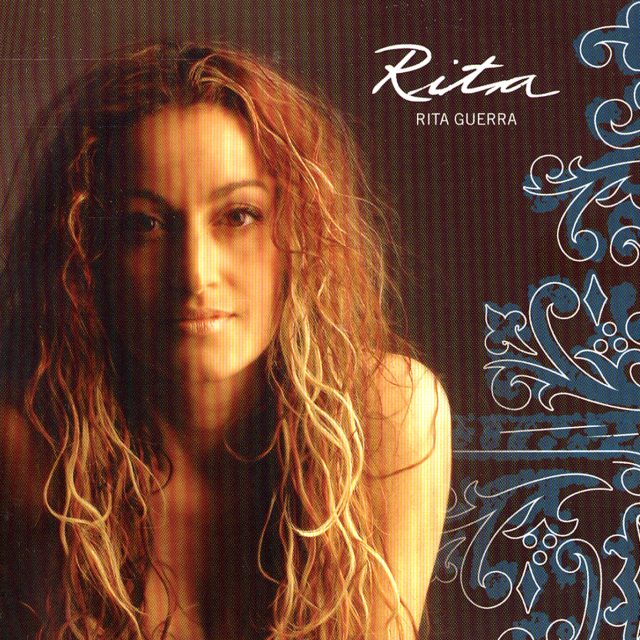
 View Artist