Song Meaning
Rita Coolidge's "The Lady's Not for Sale" isn't a simple anthem of female empowerment; it’s a bittersweet character study, a portrait of a woman caught between societal expectations and her own yearning for something more. The song opens with a glimpse into the lady's past, a childhood dream of idealized womanhood juxtaposed against a youthful rebellion, a period of 'going wild' that ultimately led to disillusionment. This sets the stage for the central conflict: a desire for acceptance and love versus a fierce, almost defiant independence. The lyrics hint at past struggles, a fall from grace symbolized by 'waking up coming down,' suggesting experiences that have left her vulnerable yet unbroken. She's learned to protect herself, to put a price on her vulnerability, even if that price is just 'a song.'
The chorus, 'Give her a home or leave her alone, the lady's not for sale,' is the song's core message, a plea for respect and understanding. It's not about monetary value; it's about recognizing her inherent worth, regardless of her past or perceived flaws. The lady isn't looking for a transaction; she's seeking genuine connection, a safe space where she can be herself without judgment. The lines 'free don't mean she's easy, or right for going wrong' further complicate the narrative. It challenges the listener to see beyond superficial judgments and recognize the difference between freedom and exploitation. There's a deep sadness woven into the fabric of the song, a sense of longing for a 'gentleman' she was 'born to please,' suggesting a desire for traditional love and validation that clashes with her hard-won independence.
Ultimately, "The Lady's Not for Sale" transcends a simple feminist declaration. It's a nuanced exploration of a woman's internal struggle, a battle between vulnerability and self-preservation. The repeated line, 'she tries in her way climbing high, and she dies each time she fails,' underscores the relentless effort and emotional toll of navigating a world that often misunderstands and misjudges. Coolidge's delivery, imbued with both strength and fragility, perfectly captures the song's complex emotional landscape. It's a reminder that behind every strong facade, there's often a deep longing for acceptance and a desperate need to be seen for who you truly are.
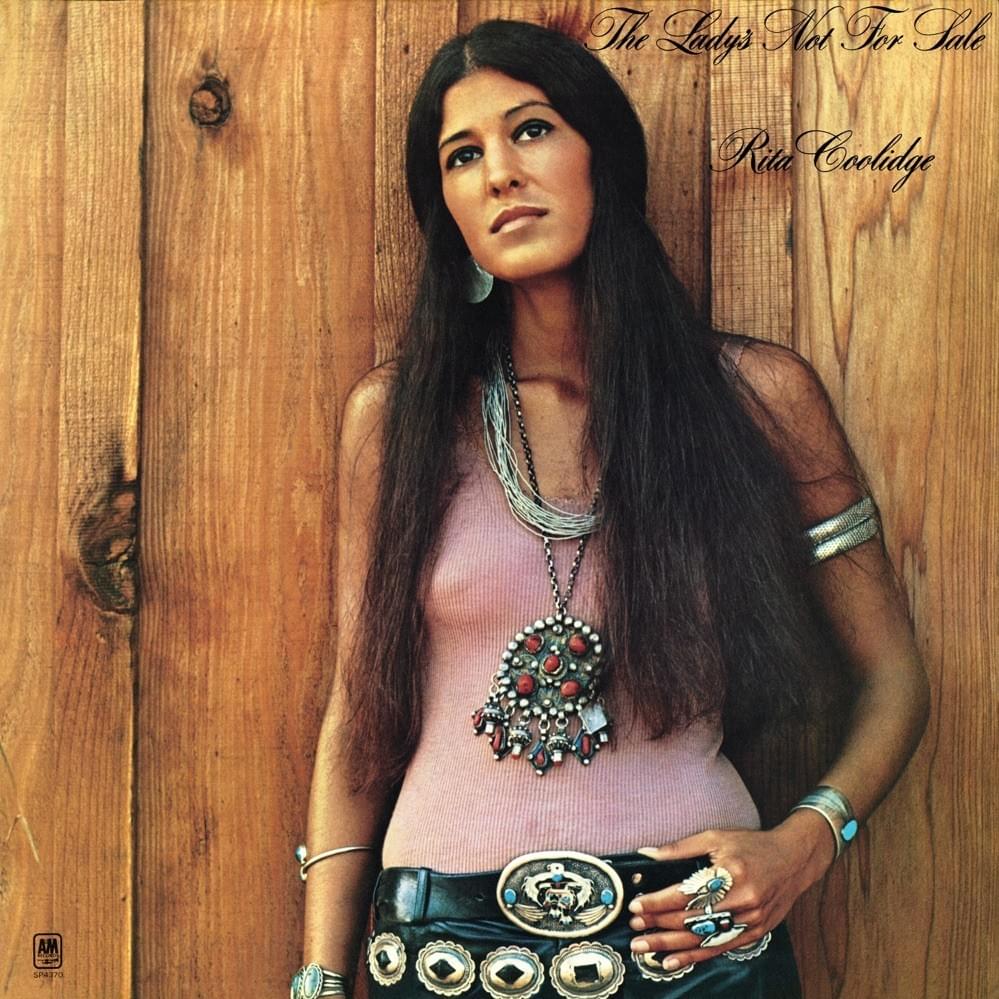
 View Artist