Song Meaning
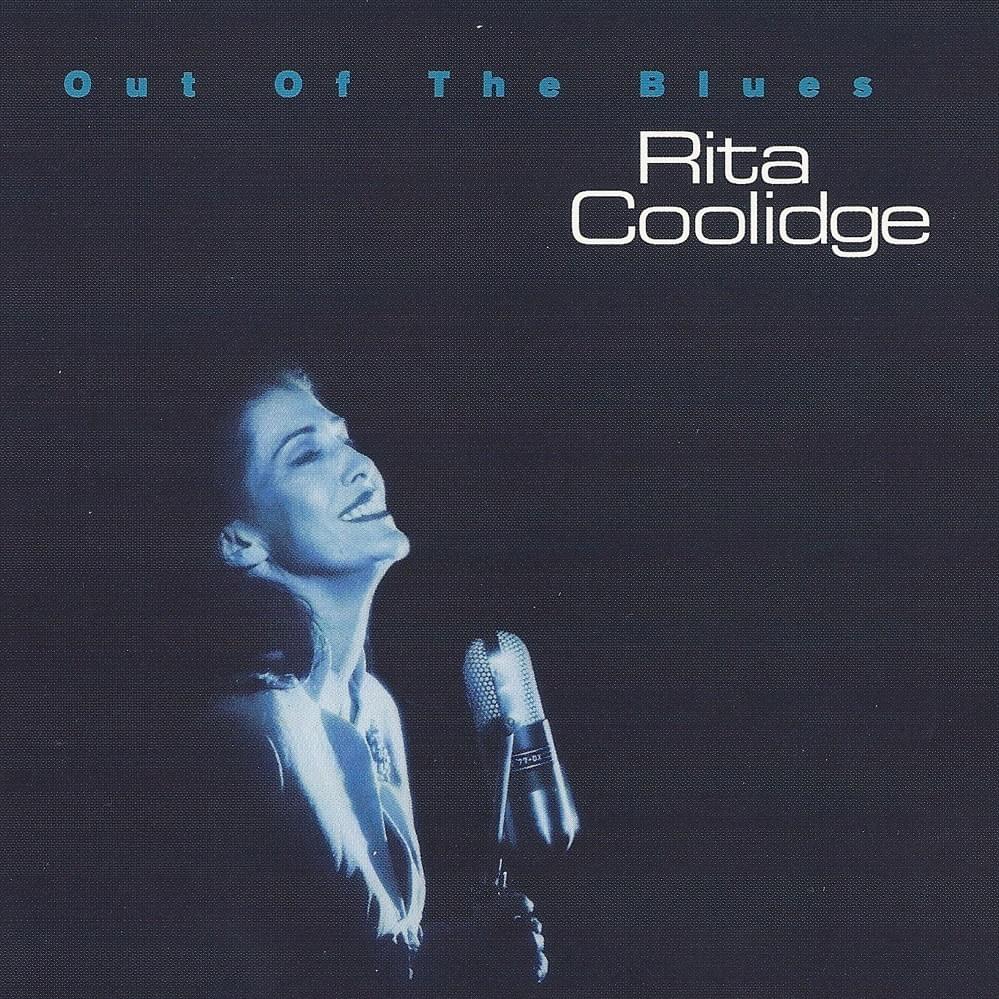
Rita Coolidge's rendition of "Am I Blue" is a masterclass in vulnerability, dissecting the raw nerve of abandonment with disarming simplicity. The song’s power lies not in complex metaphors, but in its stark, unadorned portrayal of a woman grappling with sudden loss. The opening lines establish a persona stripped bare: 'I'm just a woman, a lonely woman / Waiting on the weary shore.' This isn't a grand declaration of independence or a bitter denouncement; it's a plea for empathy rooted in the shared human experience of heartbreak. The 'weary shore' becomes a potent symbol of emotional stagnation, a place of waiting and watching as love sails away. Coolidge doesn't posture; she simply *is* in her solitude. The musicality of the song only enhances the sense of loss. It's a cry from the soul, where there is nothing left to hide.
The verse detailing the departure – 'It was a morning, long before dawn / Without a warning I found he was gone' – avoids melodrama, opting instead for a matter-of-fact delivery that amplifies the shock. The rhetorical questions that follow – 'How could he do it, why should he do it / He never done it before' – are not accusations, but rather the bewildered cries of someone trying to make sense of the senseless. This is the internal monologue of disbelief, the mind grasping for reasons where none exist. The stark contrast between the expected and the actual is what drives the knife in.
The chorus, a direct address to an unspecified listener, is the song’s emotional core. 'Am I blue, am I blue / Ain't these tears in these eyes telling you' dispenses with subtlety. It’s a challenge, almost, daring the listener to deny the obvious. The rhetorical question isn't a passive request for validation; it's an assertion of feeling so profound that it transcends the need for external confirmation. The concluding lines – 'Why, wouldn't you be too / If each plan with your man / Done fell through' – broaden the scope, transforming personal pain into a universal lament. The song recognizes the shared experience of shattered dreams and the profound sense of disorientation that follows when the future you envisioned crumbles. Coolidge's interpretation transforms "Am I Blue" into a timeless exploration of heartbreak, resonating with anyone who has ever felt the sting of unexpected loss.
 View Artist