Song Meaning
The lyrics paint a stark picture of regret after a loss, emphasizing that the true value of something is only recognized once it's gone. The opening lines immediately establish this theme: "Depois que perde é que se vê / A falta que faz." This isn't just a casual observation; it's a profound realization that no substitute can fill the void left behind, as "Outra pessoa pode haver / Mas não satisfaz." The core of the song seems to hinge on this irretrievable absence.
The central tension lies in the narrator's desperate plea for a return to a past state of happiness, directly contrasting the present emptiness. The repeated refrain, "Vem, vem ser o que a gente era / Vem com a primavera, florescer meu caminho," is a yearning for renewal, a desire to recapture what was lost. This plea is underscored by the bleakness of the present: "aqui tá tudo sem graça / Solidão me abraça longe do seu carinho." The narrator acknowledges their own fault, admitting, "Agora eu sei que você é / Importante demais."
A striking piece of craft is the repetition of "O coração só ama uma vez / O resto é paixão." This declaration elevates the lost relationship beyond mere infatuation, framing it as a singular, defining love. The subsequent lines, "Meu coração não é de cristal / Mas tá em pedaços," offer a powerful, albeit slightly contradictory, image. While asserting resilience, the broken state reveals the deep emotional damage inflicted by the loss, making the plea for return even more poignant.
Ultimately, the effectiveness of these lyrics stems from their directness and the raw emotional honesty conveyed. The simple, declarative statements about loss and the repeated, almost pleading, calls for a return create a palpable sense of longing and regret. The contrast between the idealized past and the desolate present, coupled with the assertion of a singular, irreplaceable love, makes the narrator's pain feel immediate and deeply felt.
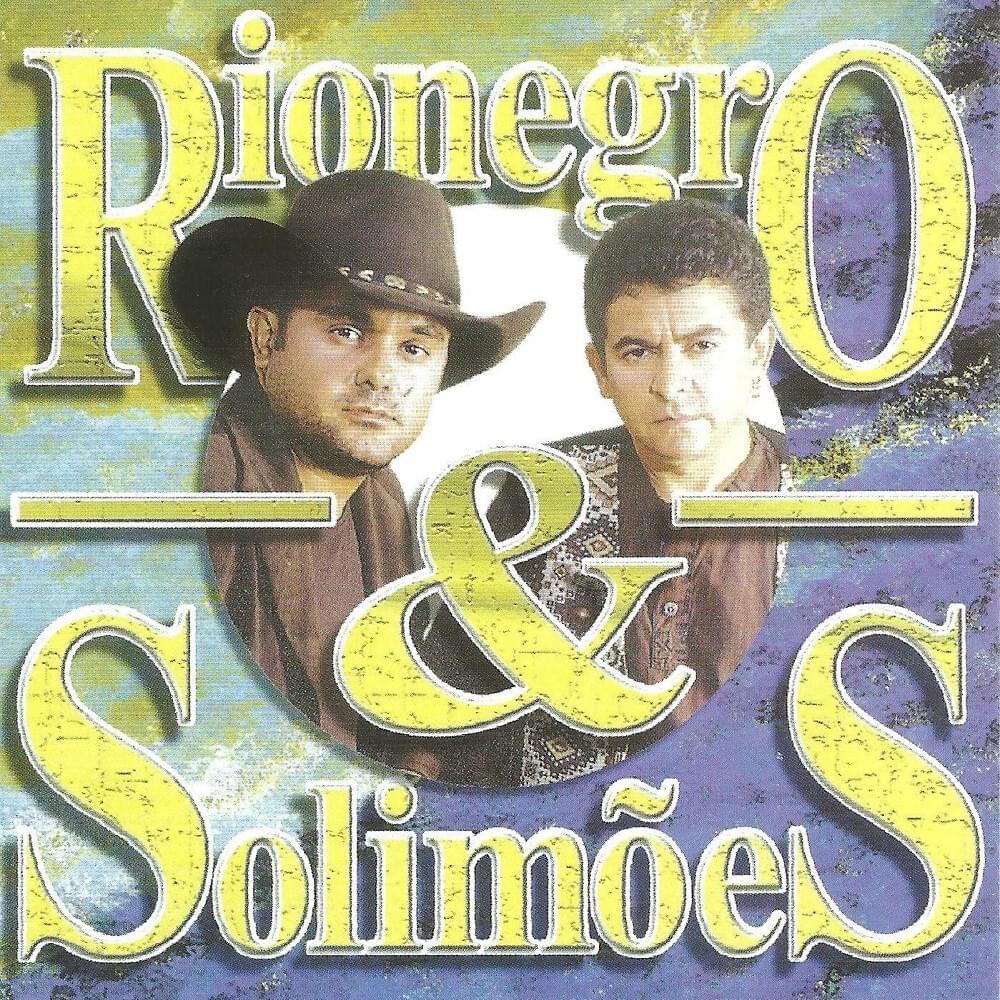
 View Artist