Song Meaning
The lyrics paint a stark picture of a relationship's end, framed by a narrator's resigned yet desperate plea. The opening lines establish a clear departure: "Vai sicura non ti voltare" (Go sure, don't turn around). This isn't a gentle parting; it's a definitive exit, underscored by the mundane yet poignant instruction to "pensa al gatto" (think of the cat) and "fascicoli sul mare" (files on the sea), suggesting a life being meticulously divided and packed away. The tone is one of forced acceptance, a performance of stoicism masking a deeper pain.
The central tension lies between the narrator's outward concession to the departure and their internal, almost frantic, attempt to reclaim what was lost. While they repeatedly state "Visto che mi vuoi lasciare" (Since you want to leave), they simultaneously beg for "ancora un minuto / Per convincerti a restare" (one more minute / To convince you to stay). This oscillation between letting go and desperately clinging to the past reveals a profound internal conflict, a struggle to reconcile the reality of abandonment with the desire for reconciliation.
A striking element is the narrator's demand for the return of intangible things: "ricordati dei sogni / Che mi devi restituire" (remember the dreams / You owe me back) and "gli umori e le atmosfere / Che mi hanno fatto amare" (the moods and atmospheres / That made me love you). This elevates the breakup beyond a simple separation of possessions to a theft of emotional essence. The request to return "le mie parole / Che ti ho detto con amore" (my words / That I told you with love) and "le frasi e le poesie" (the phrases and the poems) is particularly poignant, suggesting that the shared language and affection have become objects to be reclaimed, highlighting the narrator's feeling of being stripped bare.
This lyrical approach is effective because it grounds abstract emotional pain in concrete, albeit unusual, demands. The juxtaposition of practical instructions (seemingly) practical instructions with the plea for the return of dreams and shared language creates a disorienting yet deeply resonant portrayal of loss. The narrator isn't just sad; they feel robbed of their very capacity for love and memory, making the act of leaving feel like an erasure. The repeated refrain, punctuated by the nonsensical "Pa-ra pa-ra," underscores the emotional chaos and the breakdown of coherent communication in the face of impending separation.
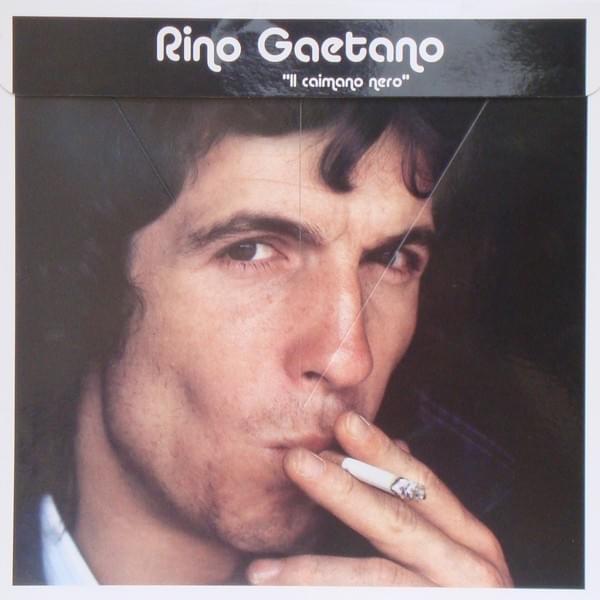
 View Artist