Song Meaning
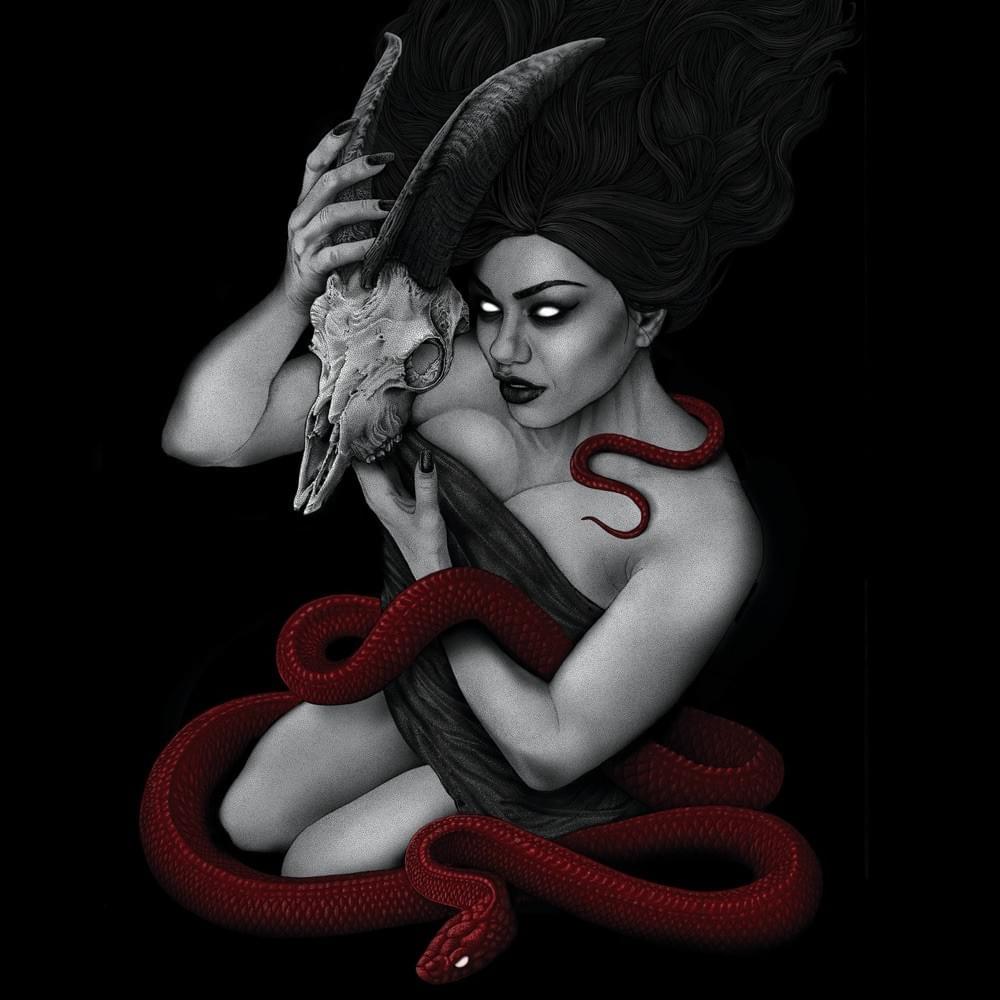
The lyrics immediately plunge into a world of violent transformation and a chilling sense of resignation. Images of "burning the hive" and being "eaten alive" set a brutal scene, quickly followed by the unsettling idea of "new flesh from shedding skin." This isn't just an end, but a dark, collective rebirth. It's a world where the old self is shed, but for a grim purpose.
The core tension lies in this promised transformation. While "new flesh" might initially imply renewal, the lyrics quickly subvert this, revealing a collective identity defined by past conflict, remaining the "ghost of war." There's a profound lack of purpose, as the speakers admit, "We don't know what we're dying for." The shift from individual struggle to a shared, aimless existence, where "graveyards become our homes," is stark and unsettling.
The most striking craft element is the consistent use of paradox and inversion. The narrator sees "beautiful decay" and embraces a world viewed "through devils' eyes," suggesting a complete reordering of morality. This culminates in the chilling line, "From new flesh we kill our own," twisting the initial promise of renewal into a self-destructive act, glorified and unified in its dark purpose.
These lyrics are effective because they don't just describe an apocalypse; they embody a psychological shift within it. The collective "we" doesn't fight the decline but observes it and even participates in its worship, dedicating themselves to "the god of our new flesh." This chilling acceptance and active embrace of self-annihilation, where souls are traded for "borrowed time," creates a deeply unsettling and thought-provoking vision of ultimate surrender.
 View Artist