Song Meaning
These lyrics open with a stark declaration of an ending, framed as an inevitable outcome: "Ended a worker, according to plan." This initial resignation is immediately followed by an observation on traditional gender roles, suggesting they play a part in the situation. The tone quickly shifts from fatalism to a pressing call for immediate action, urging the listener to "turn up the music and open the door."
The central tension in the lyrics lies between a weary acceptance of life's cyclical nature and a fervent plea to seize the present. The line "There's a valley behind every mountain you climb" encapsulates a world-weary wisdom, implying that effort often leads back to struggle. Yet, this observation doesn't lead to despair; instead, it fuels a powerful urgency to live without delay, as if acknowledging the inevitable makes the present moment even more precious.
Perhaps the most intriguing craft element is the speaker's perception of the addressee in the chorus: "You said you were a rider but you feel like a woman to me." This contrast challenges an asserted identity of independence and movement ("rider") with the speaker's more intimate, perhaps vulnerable, perception of them as a "woman." It suggests a deeper understanding or a subtle redefinition of strength, moving beyond outward declarations to an internal feeling. This unexpected pivot adds a layer of personal connection and observation to the broader themes of liberation.
Ultimately, these lyrics are effective because they tap into a universal human dilemma: how to live fully when time is finite and outcomes often feel predetermined. The repeated calls to "Open the windows and unlock the locks" and to "Ride all you can 'cause they may stop all your clocks" create a powerful, almost desperate sense of urgency. It's a defiant embrace of joy and freedom, even as the shadow of impending limits looms large, making the simple acts of opening wine and letting hair down feel like profound acts of rebellion.
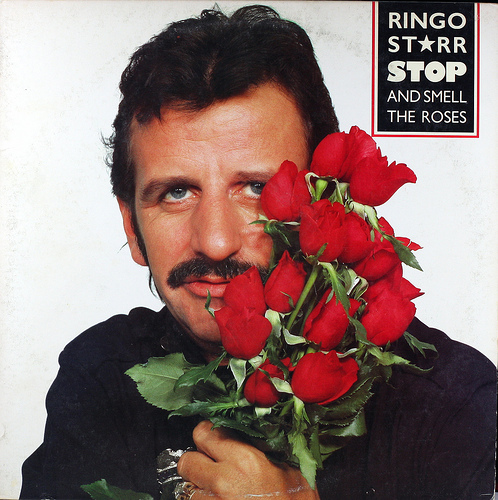
 View Artist