Song Meaning
These lyrics plunge into a raw, unsettling internal conflict. The speaker is physically close to someone, observing a "warm happiness" as time passes, yet their very "body won't accept" it. It's a stark opening, immediately establishing a profound disconnect between external comfort and internal turmoil.
The core tension arises from this deep-seated inability to embrace conventional joy. The speaker confesses to an "empty body" and a heart like "a hole opened in an empty, empty sky." This isn't just sadness; it's a fundamental void, further described as a "misshapen form covered in old wounds." Even as the speaker admits to wanting this gentle happiness to "continue forever," their "heart won't accept" it, revealing a self-sabotaging mechanism at play.
The most striking craft element arrives in the chorus: a desperate plea for "blood-stained love" and a "blood-soaked kiss." This visceral imagery directly clashes with the earlier "warm happiness," suggesting a profound need for a love that mirrors the speaker's internal damage. The lyrics reveal a self-perception of being "twisted" and "distorted," culminating in the desire for a "broken substitute" (ヒトガワリ) – perhaps a love, or even a version of self, that is equally fractured.
What makes these lyrics so effective is their unflinching honesty about a damaged psyche. The repeated fear of shattering "into pieces" underscores a fragile vulnerability, while the demand for a painful, visceral connection speaks to a desire for authenticity over comfort. It's a powerful portrayal of someone who, unable to heal, seeks not a cure, but a reflection of their own profound brokenness in the world.
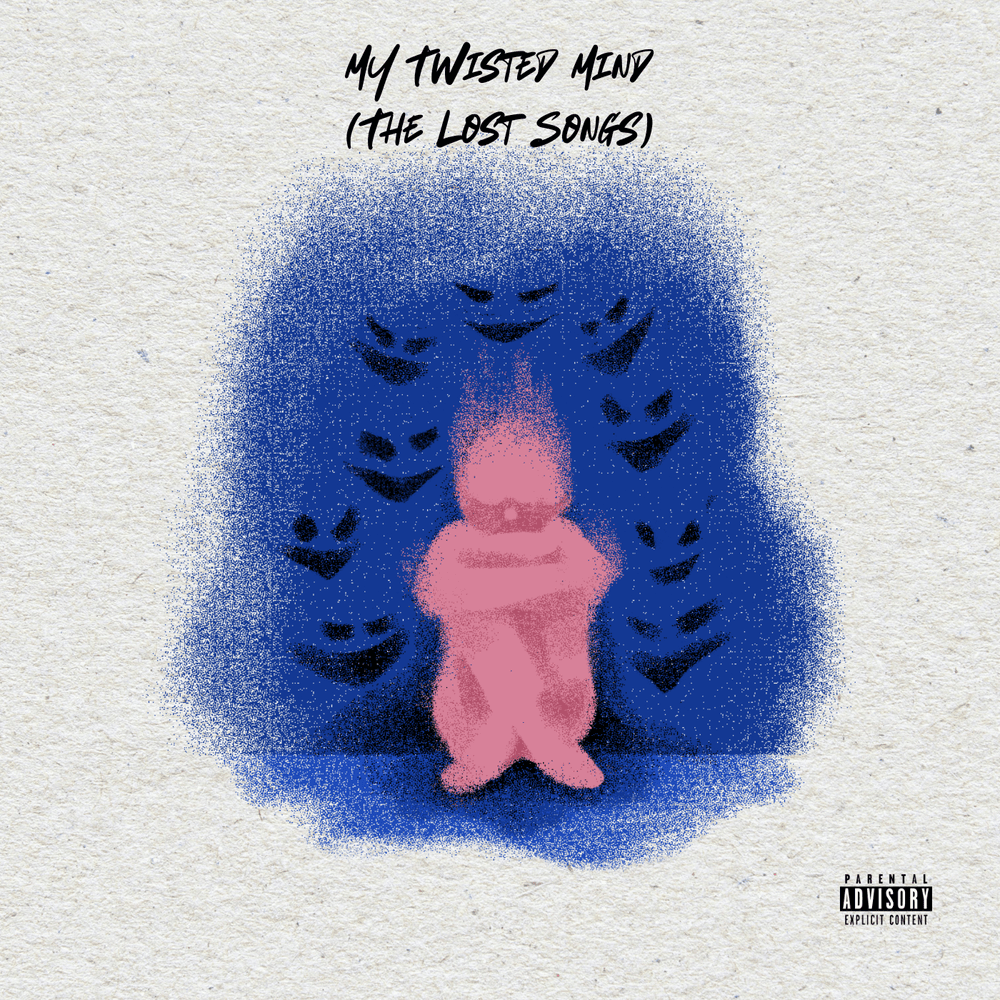
 View Artist