Song Meaning
The lyrics paint a picture of profound exhaustion and a desperate yearning for escape. The opening lines, "I want to take a breath / 冷や汗 tiredness," immediately establish a tone of weary resignation, where even the relief of the weekend feels like a hollow victory, achieved through "騙し騙しようやく weekend" (barely making it to the weekend). This isn't just physical fatigue; it's an emotional daze, a feeling of being stuck in a loop of "空虚なエモーション" (empty emotions) that repeats endlessly.
The central tension arises from the narrator's deep dissatisfaction with their current state and a plea for connection as a means of breaking free. There's a raw vulnerability in the confession, "今夜本気で打ち明けたとしたら / どうか君がこの涙認めてくれないかな" (If I were to confess seriously tonight / I wonder if you could acknowledge these tears). This desire for validation fuels the recurring question, "Can we run away? Just ふたり" (Can we run away? Just the two of us), suggesting that shared escape is the only path forward, a release from a "用意された居場所なんて" (pre-prepared place to belong).
The most striking craft element is the juxtaposition of Japanese and English, creating a unique texture that mirrors the feeling of being caught between two worlds or states of being. Phrases like "daze daze daze" and "dance dance dance" are simple yet effective in conveying the monotonous cycle and the desperate attempt to find joy. The repeated "I want to take a breath" acts as a mantra, a constant reminder of the fundamental need for respite and a reset, a desire that has become so ingrained it's almost forgotten how to "happiness 噛み締める方法も忘れたな" (forget how to savor happiness).
Ultimately, these lyrics resonate because they articulate a universal feeling of being overwhelmed and the powerful hope that connection can offer a way out. The repeated affirmation, "It's gon' be alright," especially when paired with the imagery of following "気高い月明かり" (noble moonlight) and the promise of a clearer "明日が見えそうさ" (tomorrow seems visible), transforms the plea for escape into a hopeful declaration of resilience. The act of running away isn't just about leaving a bad situation; it's about reclaiming agency and choosing a new path, symbolized by the resolve, "自分には戻らない" (I won't go back to myself).
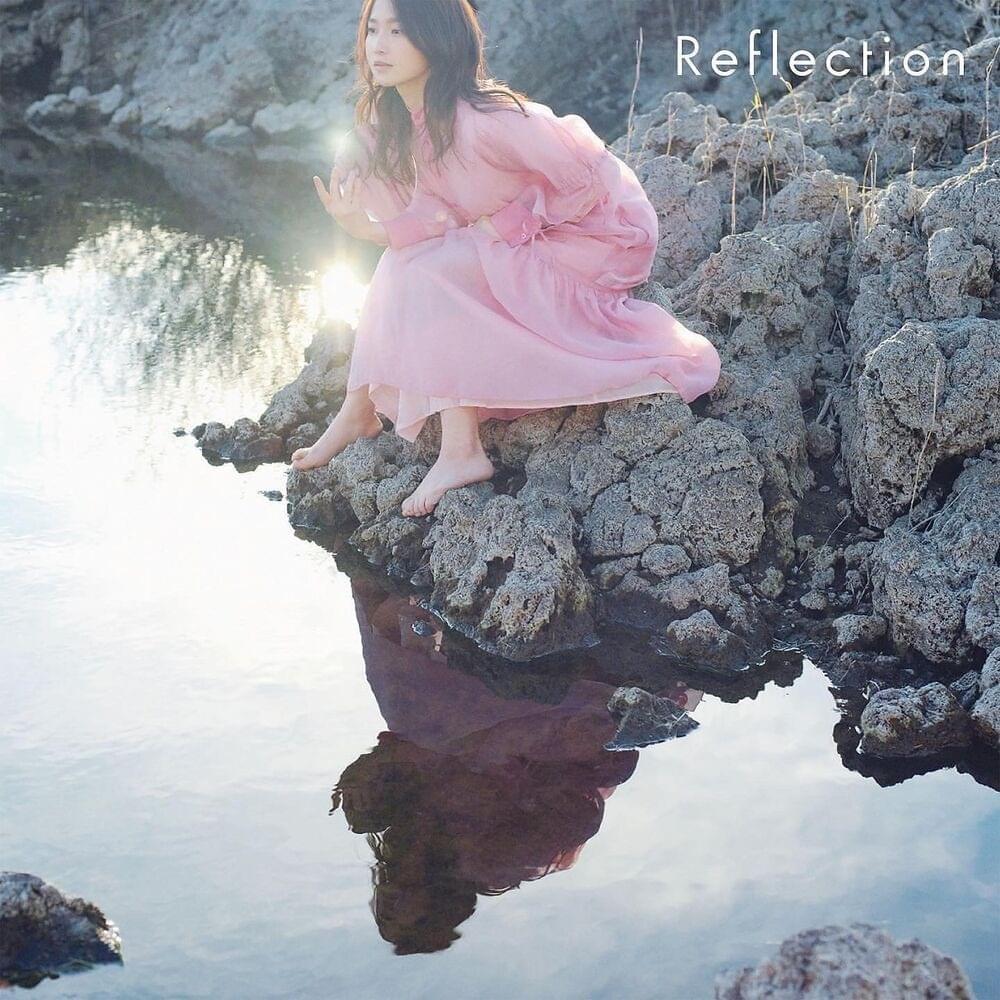
 View Artist