Song Meaning
The lyrics paint a picture of someone reflecting on their past self, acknowledging growth and change while grappling with a persistent sense of internal solitude. The narrator questions if they are fundamentally the same person who once felt stagnant, contrasting that with a present life that is now rich with experience. Despite outward appearances of ease and success, there's an underlying acknowledgment of significant personal struggles, suggesting a complex inner world that others might not perceive.
There's a clear tension between the narrator's past and present selves, and between their internal state and external perception. The line "Longe de saberem como eu faço pra parecer tão leve / Com lutas tão pesadas" highlights this disconnect. It suggests a conscious effort to project an image of effortlessness, masking internal battles. This duality creates a poignant emotional core, where outward maturity and accomplishment are juxtaposed with a feeling of being "não encontrado após tantos encontros" – still searching for a true sense of self amidst life's experiences.
The craft here is subtle but effective, particularly in the way the narrator uses time and self-comparison. The direct address to a younger self ("Olhando eu de 24") allows for a tangible measure of growth, noting the shift from needing more than just a simple "amanhecer" to appreciating the depth of past "histórias mais lindas." The concluding thought, "Quem sabe eu só virei a água que achou sozinho / O melhor jeito de ir mais longe," offers a powerful metaphor for self-reliance and finding one's own path, implying that true progress often comes from within, even if it feels solitary.
This introspection is effective because it grounds abstract feelings of growth and loneliness in specific, relatable moments of self-assessment. The lyrics don't shy away from the complexities of aging and self-discovery, presenting a mature perspective that values hard-won wisdom. The final image of water finding its own way suggests a quiet acceptance of this solitary journey, framing it not as a deficit, but as the very source of forward momentum.
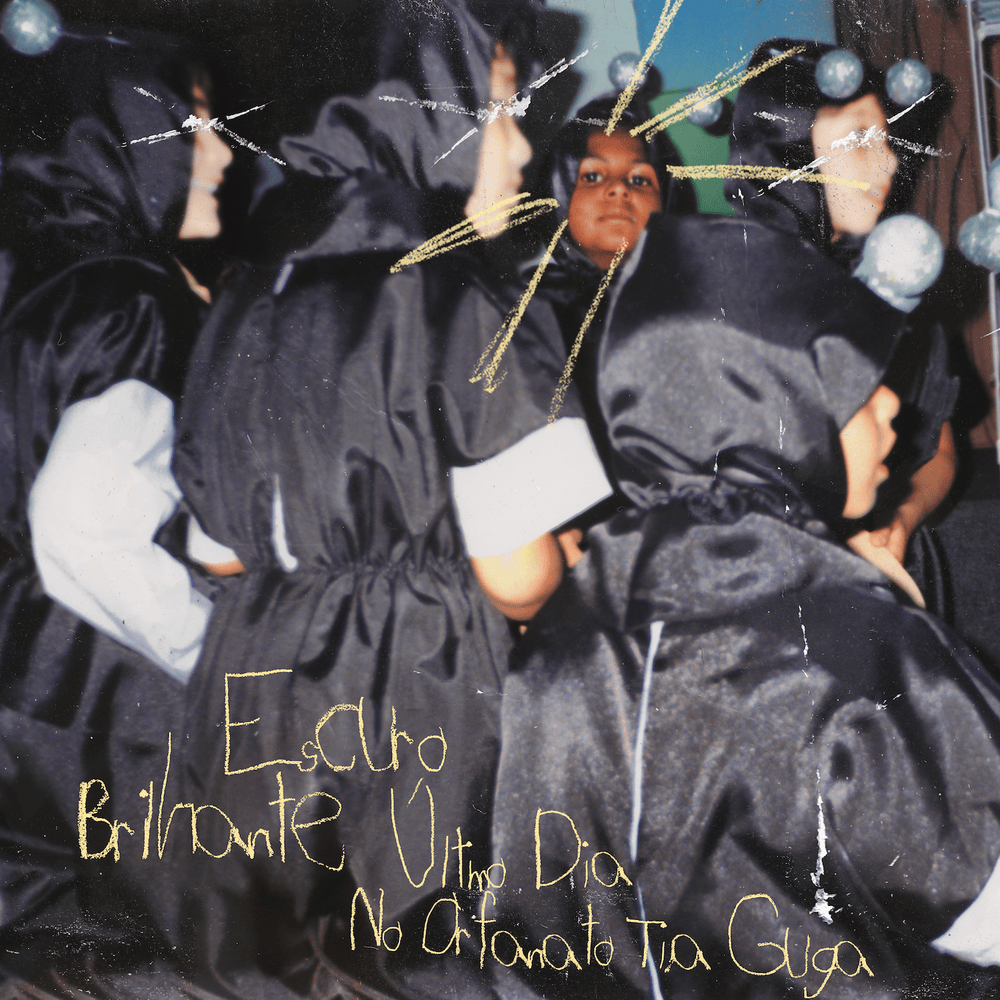
 View Artist