Song Meaning
Ricky Van Shelton's "Holy (I Bowed on My Knees and Cried Holy)" isn't just gospel; it's a deeply personal yearning rendered in song. The track unfolds as a dream vision, a journey to a celestial city brimming with archetypal figures and breathtaking splendor. Yet, amidst this overwhelming grandeur, the narrator remains fixed on a singular desire: to encounter Jesus. This relentless focus cuts through the potentially distracting spectacle of heaven, revealing a core longing for direct, personal connection with the divine. The repetitive cries of "Holy" and "Glory" become less about rote religious expression and more about an individual's fervent, almost desperate, need for communion. This isn't about dogma; it's about an emotional imperative. It's a powerful depiction of faith stripped down to its most fundamental element: the desire for direct access to grace.
What resonates most powerfully in Shelton's rendition of "Holy" is the implicit understanding that even in paradise, something can be missing. The narrator is surrounded by saints, celestial architecture, and untold wonders, yet none of it satisfies the soul's deepest craving. This speaks to a profound psychological truth: that external validation and even universally acknowledged 'goodness' can't fill the void that only a personal relationship with the sacred can. The act of bowing and crying "Holy" isn't just a gesture of reverence; it's an act of surrender, an admission of the limitations of even the most glorious earthly or otherworldly experiences. The song suggests that true fulfillment lies not in the trappings of faith, but in the intimate encounter with its source.
Ultimately, the song meaning hinges on this intense, focused desire. The lyrics analysis reveals that it is an articulation of spiritual hunger, a yearning for a tangible, personal relationship with Jesus, eclipsing even the magnificence of heaven itself. It's a reminder that faith, at its core, is a deeply individual and intensely felt experience. The song’s emotional resonance stems from this universal human desire for connection, for something beyond the material, and for a sense of belonging that transcends even the most spectacular visions of the afterlife. It's a testament to the enduring power of faith as a personal, transformative force.
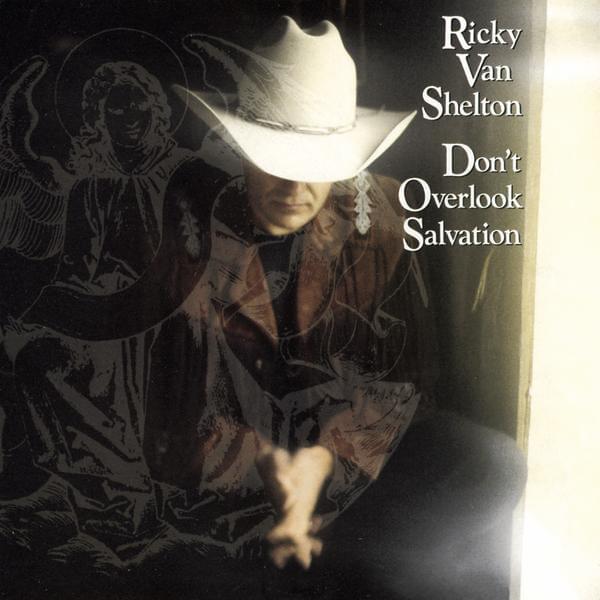
 View Artist