Song Meaning
Ricky Skaggs' "The Old Crossroads" isn't just bluegrass gospel; it's a stark moral reckoning delivered with the force of a hellfire sermon. The song meaning boils down to a fundamental choice: salvation or damnation. Skaggs wastes no time setting the stage, warning listeners against the seductive pull of "old Satan," painting a vivid picture of eternal consequences for those who stray. This isn't subtle theology; it's a primal scream aimed at the soul. The 'old crossroad' becomes a potent symbol of life's pivotal decisions, each path carrying immense, irreversible weight. It speaks to our innate human fear of making the wrong choice and the anxiety of navigating a world fraught with moral ambiguity.
The lyrics double down on the binary opposition between good and evil. Heaven and hell aren't abstract concepts here; they're the very real destinations awaiting us at the fork in the road. The promise of Jesus as a protector and guide offers solace, but the onus remains on the individual to actively choose the path toward the "Pearly Gates." Psychologically, this taps into our need for both security and agency. We crave guidance, but we also yearn to be in control of our destiny. "The Old Crossroads" acknowledges this tension, presenting a framework where divine assistance is available, but ultimately, the decision rests with us.
Skaggs amplifies the urgency with reminders of life's fleeting nature. The question, "Will you be ready then, my brother?" serves as a gut-punch, forcing listeners to confront their mortality and the looming judgment that awaits. The song's power lies in its simplicity. It doesn't delve into complex theological debates; it presents a straightforward ultimatum. Choose wisely, or face the consequences. It’s a timeless message, resonating with anyone who has ever grappled with questions of faith, morality, and the ultimate direction of their life. The insistent repetition of the chorus reinforces the constant presence of this choice, turning the song into a continuous, internal dialogue.
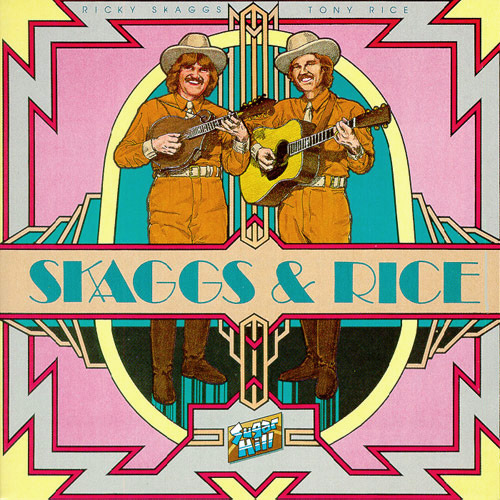
 View Artist