Song Meaning
Ricky Nelson's song, though seemingly simple, paints a portrait of memory's selective glow. The lyrics trace a relationship through the cyclical passage of seasons, yet each verse returns, almost obsessively, to the "warm summer night." This isn't just nostalgia; it's a psychological anchor. The warm summer night represents a peak emotional experience, a moment of perfect connection against which all other experiences are measured and, perhaps, found wanting. The repetition reinforces the idea of a memory so powerful it eclipses other moments, casting them in shadow. It speaks to how significant experiences can warp our perception of time, making certain moments feel eternally present while others fade. The human brain latches onto these peaks, using them as a yardstick for future happiness.
Beyond the warmth, the specific imagery of the "moonlit picnic by the sea" is telling. The moon, often associated with romance and intuition, combined with the vastness of the sea, suggests a feeling of boundlessness and possibility. The act of leaving "the others far behind" hints at a desire for intimacy and a world shared only between two people. The explicit giving of love in this setting solidifies this night as the genesis of the relationship's most profound connection. The contrast with the "frosty breeze" and "fading colour of the trees" in autumn, or the "falling snow" of winter, further emphasizes the unique and irreplaceable nature of that summer night.
Ultimately, the song's meaning lies in the bittersweet recognition of how past experiences shape our present. Nelson isn't just remembering a pleasant evening; he's grappling with the enduring power of a specific memory to define and potentially limit his emotional landscape. The song's melancholic undercurrent acknowledges the human tendency to idealize the past, particularly moments of intense joy and connection, and the inherent challenge of replicating such experiences in the face of life's inevitable changes. It subtly questions whether such intense, singular moments of connection are sustainable or whether they exist, by their very nature, as fleeting, untouchable ideals.
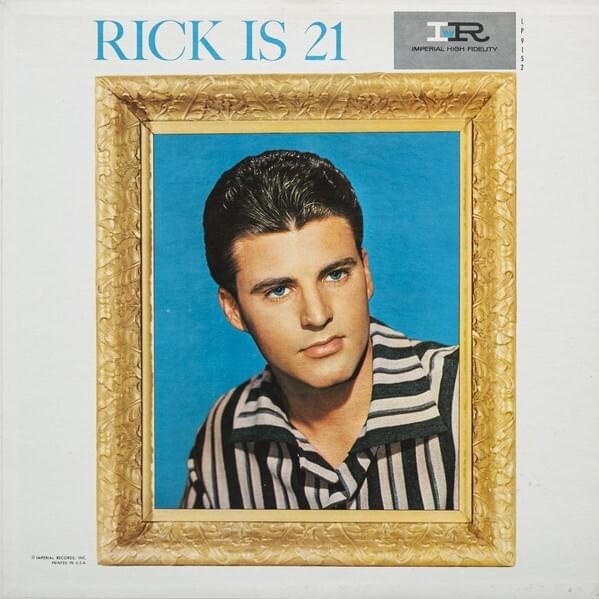
 View Artist