Song Meaning
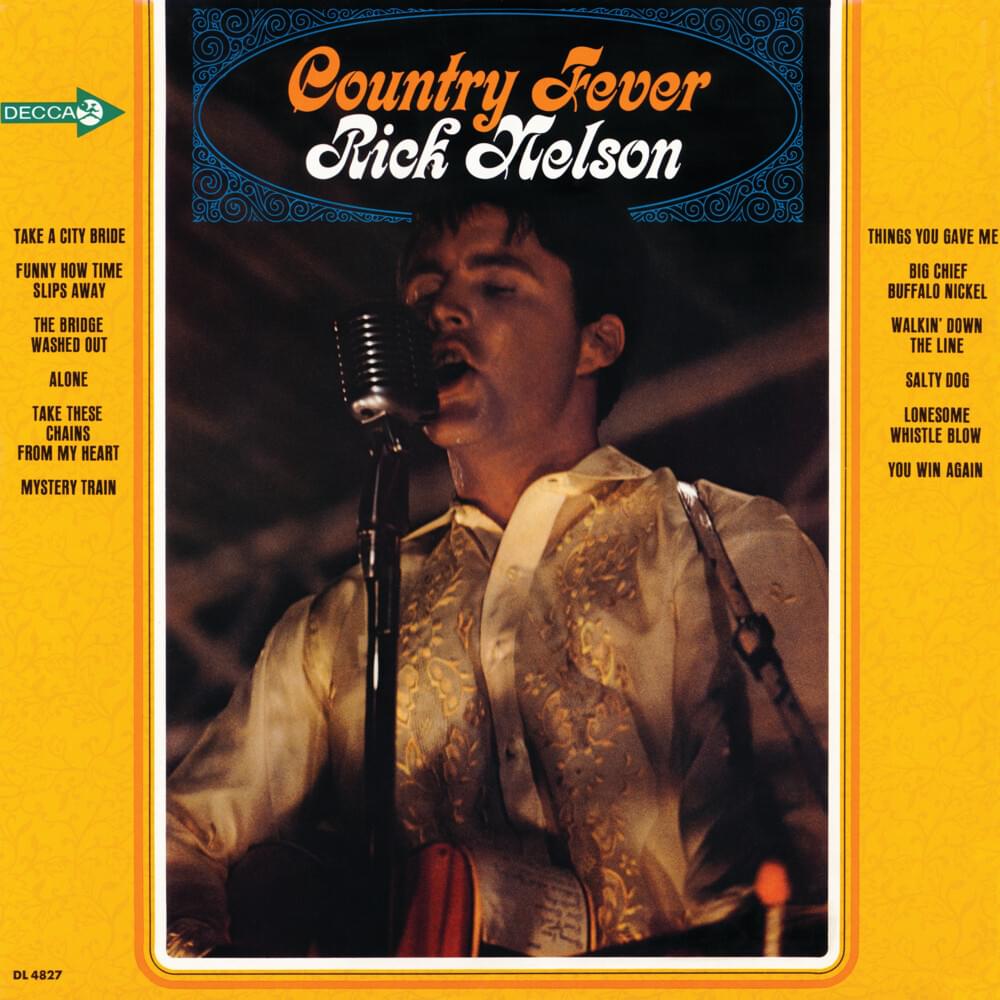
Ricky Nelson's "Take a City Bride" isn't just a simple country tune; it's a sly commentary on class, aspiration, and the enduring allure of the outsider. The song's protagonist, a bayou dweller with a "house on stilts and a five dollar bill," finds himself yearning for a woman from the city, a symbol of upward mobility and societal acceptance. He readily acknowledges the economic disparity between his world and hers, understanding her parents' disapproval of his courtship. Yet, he remains optimistic, clinging to the belief that his fishing and crawfishing skills will eventually translate into financial success, enough to win her over. This isn't just about love; it's about proving himself worthy in the eyes of a judgmental society.
The lyrics paint a vivid picture of the cultural clash at play. The contrast between the "muddy, muddy bayou" and the "streets of crowded cars" highlights the stark differences in their backgrounds. The mention of "pawnshops, friendly neighbourhood bars" suggests a certain familiarity with urban life, hinting that our protagonist might be an outsider in his own rural setting as well. This adds a layer of complexity to his desire for a "city bride"; it's not just about escaping poverty, but perhaps also about finding a place where he truly belongs.
The imagery of sneaking around, evading a "big dog" and climbing ladders to reach her window, underscores the obstacles he faces. It's a risky endeavor, both literally and figuratively, as he challenges the established social order. The repeated refrain, emphasizing his future financial success through fishing, almost feels like a self-reassurance, a mantra to combat the doubts and disapproval he encounters. "Take a City Bride" is a deceptively simple song that reveals deeper themes of social climbing and the lengths one will go to for love and acceptance.
 View Artist