Song Meaning
{"song_id": 11525124, "meaning": "Ricky Nelson's \"Never Be Anyone Else But You\" isn't just a declaration of love; it's a study in the psychology of idealization. The song circles around a central, almost obsessive, fixation: the singer's unwavering belief that *this* person is uniquely irreplaceable. The lyrics aren't complex poetry, but the repetition itself becomes the message. It's the sonic equivalent of someone constantly reassuring themselves (and the object of their affection) that no alternative exists. This isn't just preference; it's a foreclosure on all other possibilities. The song explores the common fantasy that one person can perfectly fulfill all needs and desires, a theme that resonates deeply with the human desire for completion and belonging. It's a testament to the intoxicating power of perceived uniqueness in a partner. Is it healthy? Perhaps not entirely, but it's undeniably relatable.
The middle verses introduce a hint of vulnerability, suggesting that this unwavering devotion is also fueled by insecurity. Lines like \"I never will forget the way you kiss me / And when we're not together / I wonder if you've missed me\" betray a fear of losing the idealized connection. This fear, in turn, intensifies the need to constantly reassert the beloved's irreplaceable status. The promise to \"prove to you / How true my love can be\" suggests a need to validate the singer's own worthiness through the beloved's reciprocation. It's a subtle power dynamic, where the act of loving becomes a performance aimed at securing affection and reassurance.
Ultimately, \"Never Be Anyone Else But You\" captures the dizzying heights and potential pitfalls of romantic idealization. It is a window into the human heart's tendency to project its deepest longings onto another, creating a bond that feels both intensely real and precariously fragile. The song meaning isn't just about romance; it's about the psychological mechanisms we employ to create meaning and security in our relationships, even if those mechanisms sometimes border on the obsessive."}
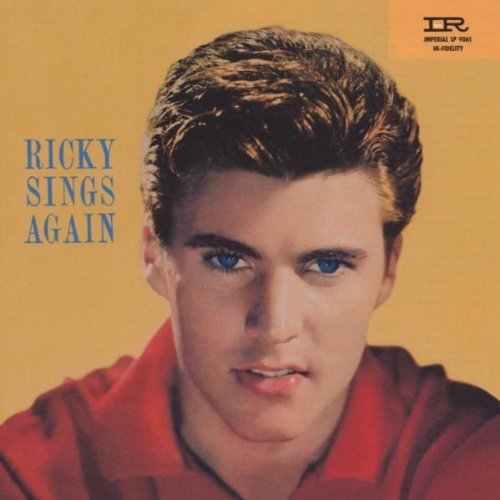
 View Artist