Song Meaning
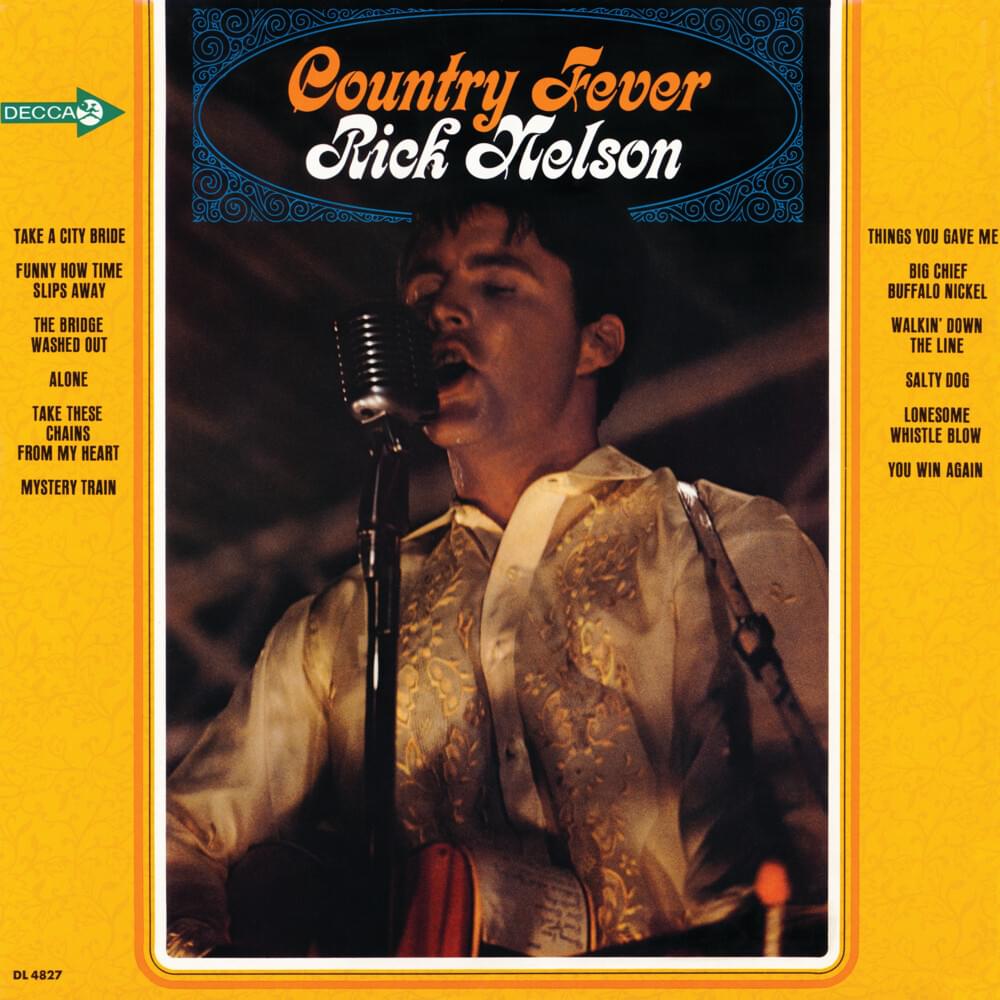
Ricky Nelson's rendition of '(I Heard That) Lonesome Whistle Blow' isn't just a country lament; it's a study in the brutal consequences of youthful impulsivity. The song's narrator, a young man spiraling from freedom to incarceration, embodies the archetype of the 'kid actin' smart' who learns too late the gravity of his actions. The repeated whistle motif functions as both a literal sound of the railway and a metaphorical harbinger of doom, each mournful blast signaling a further descent into regret and isolation. The whistle becomes a constant reminder of what's been lost: freedom, love, and identity. He is no longer a person, but a number. The lonesome whistle underscores this erasure. The lyrics paint a stark picture of a life derailed, a cautionary tale delivered with a haunting simplicity.
At its core, the song meaning centers on the psychological weight of irreversible choices. The line 'I went and broke my darlin' heart' is particularly poignant, hinting at a deeper emotional wound than simply legal trouble. It suggests the narrator's actions stemmed from a place of immaturity and perhaps even a desire for self-destruction, common themes in the struggles of youth. The prison setting amplifies this sense of internal confinement; the literal bars of his cell mirror the self-imposed restrictions of guilt and remorse. The whistle, therefore, becomes a symbol not only of lost freedom but also of a broken heart and a shattered future.
'(I Heard That) Lonesome Whistle Blow' resonates because it taps into the universal fear of squandering potential. The song avoids romanticizing the outlaw lifestyle, instead presenting a raw, unvarnished portrayal of its human cost. The simplicity of the language reinforces the idea that even seemingly small missteps can have devastating repercussions. The narrator's youth serves as a tragic counterpoint to his current predicament, emphasizing the wasted years stretching out before him. The song's enduring appeal lies in its ability to evoke empathy for a flawed character grappling with the consequences of his actions, a theme that transcends genre and resonates with listeners across generations.
 View Artist