Song Meaning
Ricky Nelson's 1967 rendition of "Freedom And Liberty" arrives like a defiant, if somewhat naive, flower-power fist. Released at the height of the Vietnam War, the song avoids direct political commentary, instead framing freedom as a personal, almost romantic, imperative. The lyrics aren't subtle; Nelson warns, "Don't try to push me around / You'll wind up right on the ground," immediately establishing a stance of unwavering self-determination. It’s less about protesting the system and more about asserting individual sovereignty. The repeated chorus, with its emphasis on "Freedom and liberty and everyone that wants to be free," feels like a utopian call, idealistic even for the era. But beneath the surface of simple major chords and declarative statements, the song hints at the psychological underpinnings of rebellion.
The eagle metaphor is particularly telling. Likening the object of affection to "the eagle's silent voice," Nelson implies a strength born not of aggression but of inherent, natural right. The lyric "He's got to fight 'cause he has no choice" acknowledges the struggle for freedom isn't passive; it's an unavoidable defense of one's own being. This isn’t just about political freedom; it’s about the freedom to love, to exist authentically, to resist external pressures that seek to diminish the self. The line, "Lovin' him is no sin," is a crucial pivot, suggesting that this fight for freedom extends into the realm of personal relationships and challenges societal norms around love and acceptance.
Ultimately, "Freedom And Liberty" functions as a sonic self-affirmation. The bridge's exhortation, "Hey wake up world, you're all right / All you gotta do is hang on tight," encapsulates the song's message: freedom is not a distant ideal but an inherent state of being that requires constant vigilance and a tenacious grip. While the song lacks the lyrical complexity of some of its contemporaries, its directness and unwavering optimism offer a glimpse into the era's evolving understanding of personal and political liberation. Ricky Nelson's interpretation transforms the sentiment into an accessible anthem for anyone seeking to define their own boundaries.
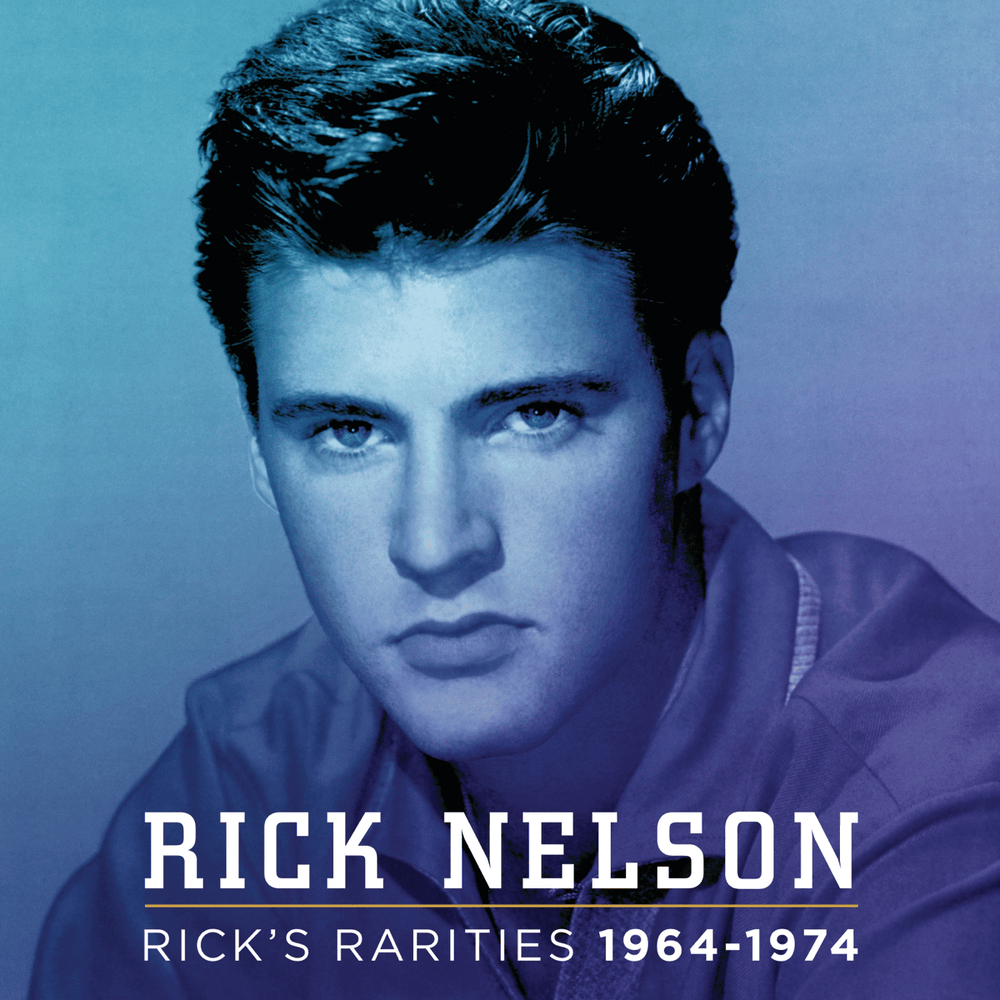
 View Artist