Song Meaning
Ricky Nelson's "Down Home" isn't just nostalgia; it's a stark acknowledgement of irreversible loss. The song paints a vivid picture of an idyllic past – rivers, trees, fresh bread, and sweet magnolias – a sensory tapestry designed to evoke a deep longing. But the core of the song meaning resides in its central conflict: the irretrievability of that past. It's not simply a wistful yearning; it's a recognition that 'down home' exists only as a memory, forever out of reach. The fishing lines and young dreams call to him, but the path back is blocked. This creates a poignant tension between desire and reality. It underscores a universal experience: the bittersweet ache for a simpler, perhaps idealized, past.
The lyrics analysis reveals a deeper layer of disillusionment with the present. Nelson contrasts the vibrant 'down home' imagery with the stark declaration that 'city living ain't living to me.' This isn't just a preference; it's an indictment. The city, presumably the place he currently resides, represents a soulless existence, a stark contrast to the life-affirming qualities of his remembered 'down home.' This contrast sharpens the sense of loss, making it not just a personal tragedy but a commentary on the alienation of modern life. The repetition of 'there's no way to get down home' emphasizes the finality of this separation, reinforcing the idea that some things, once lost, can never be recovered.
Ultimately, "Down Home" resonates because it taps into a fundamental human experience: the struggle to reconcile the past with the present. It's a song about the impossibility of going back, about the bittersweet realization that some memories, however cherished, remain firmly in the realm of the irretrievable. It’s the sound of a man grappling with the understanding that 'down home' isn't a place, but a state of being, forever imprinted on his mind, yet forever beyond his grasp. The song's simplicity is deceptive; within its gentle melody lies a profound meditation on time, memory, and the enduring power of the past.
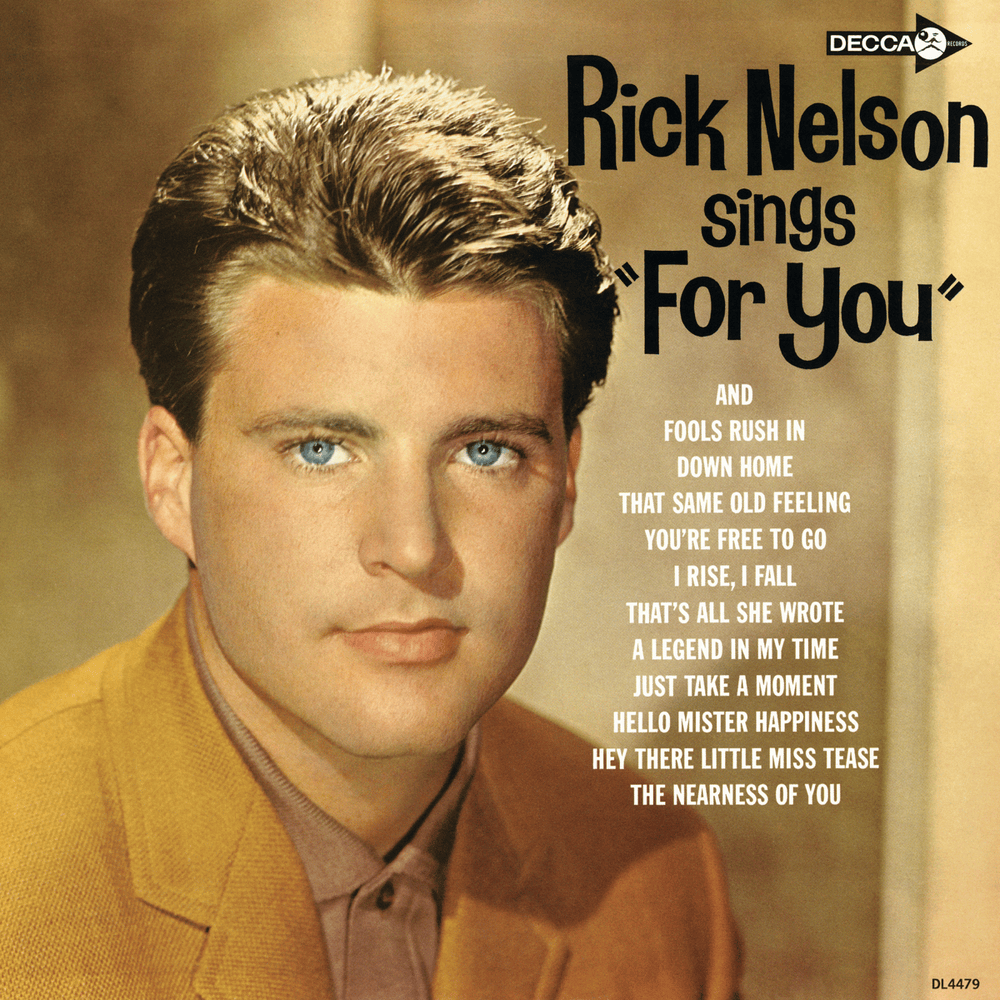
 View Artist