Song Meaning
{"song_id": 11527471, "meaning": "In Ricky Nelson's \"Don't Look At Me,\" the clean-cut teen idol of the late 50s and early 60s unveils a darker undercurrent beneath his polished image. While the song's breezy melody might initially suggest a simple plea, the lyrics paint a portrait of denial and guilt. The speaker is caught in a compromising situation, vehemently denying any wrongdoing while simultaneously revealing the cracks in his facade. The opening lines, a flurry of defensive statements like \"I didn't do nothin', what are ya talkin' about,\" immediately establish a sense of unease and suspicion. It's the language of someone caught red-handed, desperately trying to deflect blame. The listener is left to infer the context: an alleged affair, hinted at by the mention of perfume and the denial of physical contact.
The core of the song's meaning lies in the repeated entreaty: \"Don't look at me with those sad eyes.\" This isn't just a request for mercy; it's an attempt to control the narrative, to silence the accuser's intuition. Those \"sad eyes\" represent the weight of betrayal and the erosion of trust. The speaker can't bear to face the consequences of his actions, preferring to hide behind a wall of denial. He attempts to gaslight his partner, suggesting that jealousy is a \"disease,\" subtly shifting the blame onto her for daring to question his fidelity. This manipulation tactic reveals a deep-seated insecurity and a fear of accountability.
Beneath the surface of this supposed innocence, \"Don't Look At Me\" exposes the fragile nature of relationships and the destructive power of infidelity. The line, \"You got the whole world to fight with, you shouldn't fight with me,\" is particularly telling. It implies a sense of entitlement, as if his partner should automatically side with him, regardless of his behavior. The song's repetitive structure and insistent pleas only amplify the speaker's desperation, ultimately highlighting the profound damage he has inflicted. The song is a raw, if somewhat veiled, exploration of guilt, manipulation, and the desperate attempt to avoid facing the truth."}
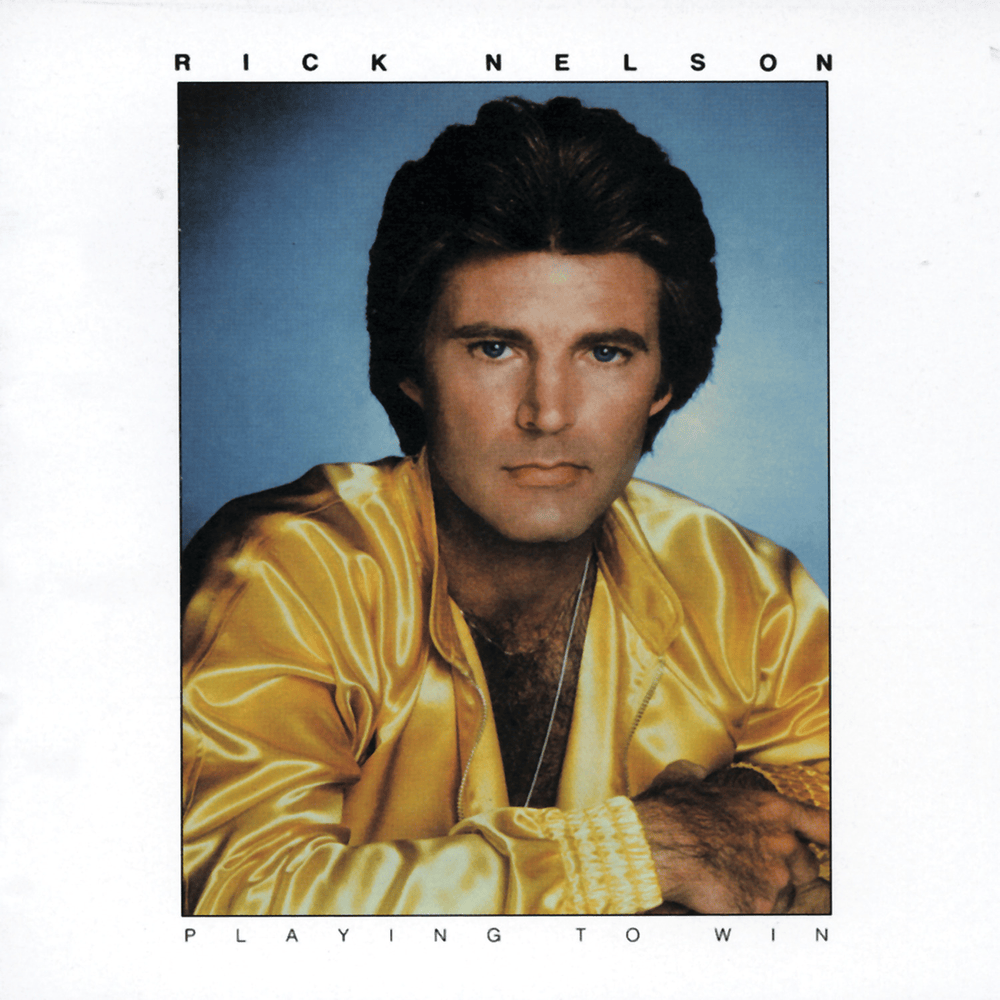
 View Artist