Song Meaning
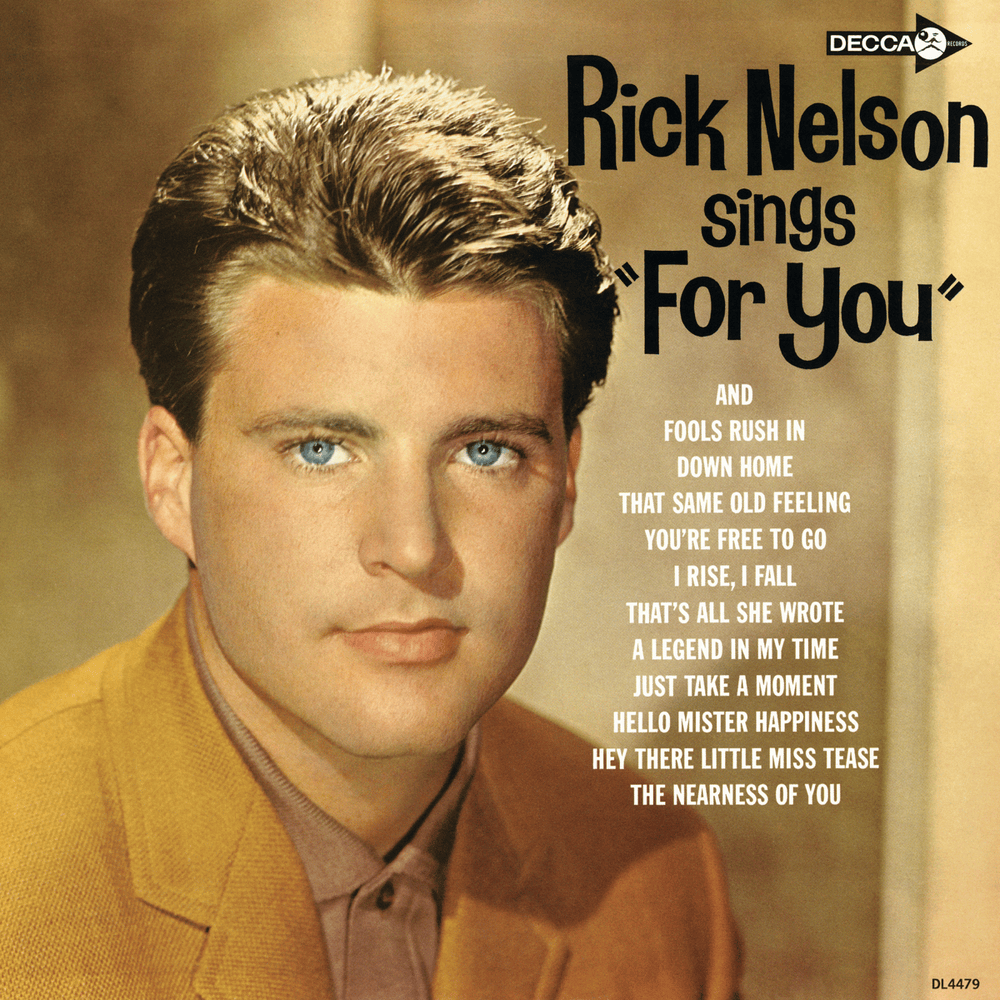
Ricky Nelson's 'A Legend In My Time' isn't chasing stadium glory; it's a quietly devastating exploration of romantic failure, framed as a dark inversion of the American Dream. The song’s core conceit hinges on a hypothetical: what if suffering in love translated to tangible recognition? Nelson imagines a world where heartbreak earns 'gold statuettes' and 'world acclaim,' turning personal anguish into public spectacle. But the track's genius lies in its refusal to embrace that fantasy. Instead, it exposes the cruel reality that intensely personal pain is often invisible, unrewarded, and ultimately, isolating. The wistful melody underscores this sense of yearning for validation that will never arrive.
Nelson's genius is in weaponizing irony. The repeated line 'I'd be a legend in my time' drips with sarcasm. He's not actually seeking legendary status; he's highlighting the absurdity of a culture that glorifies external achievement while ignoring internal turmoil. The lyrics deftly navigate the space between self-pity and self-awareness. It's a subtle tightrope walk, acknowledging the sting of unrequited love without succumbing to melodrama. In essence, the song critiques the very notion of 'success' by measuring it against the yardstick of emotional devastation.
Ultimately, 'A Legend In My Time' finds its power in the universality of its sentiment. Who hasn't felt the quiet despair of unacknowledged suffering? The song resonates not because it offers solutions or platitudes, but because it dares to name the unglamorous truth: sometimes, the greatest battles are fought in silence, and the deepest wounds leave no visible scars. The song meaning isn't just about romantic heartbreak; it's a broader commentary on the human condition, the inherent disconnect between internal experience and external validation, and the quiet heroism of enduring pain without fanfare.
 View Artist