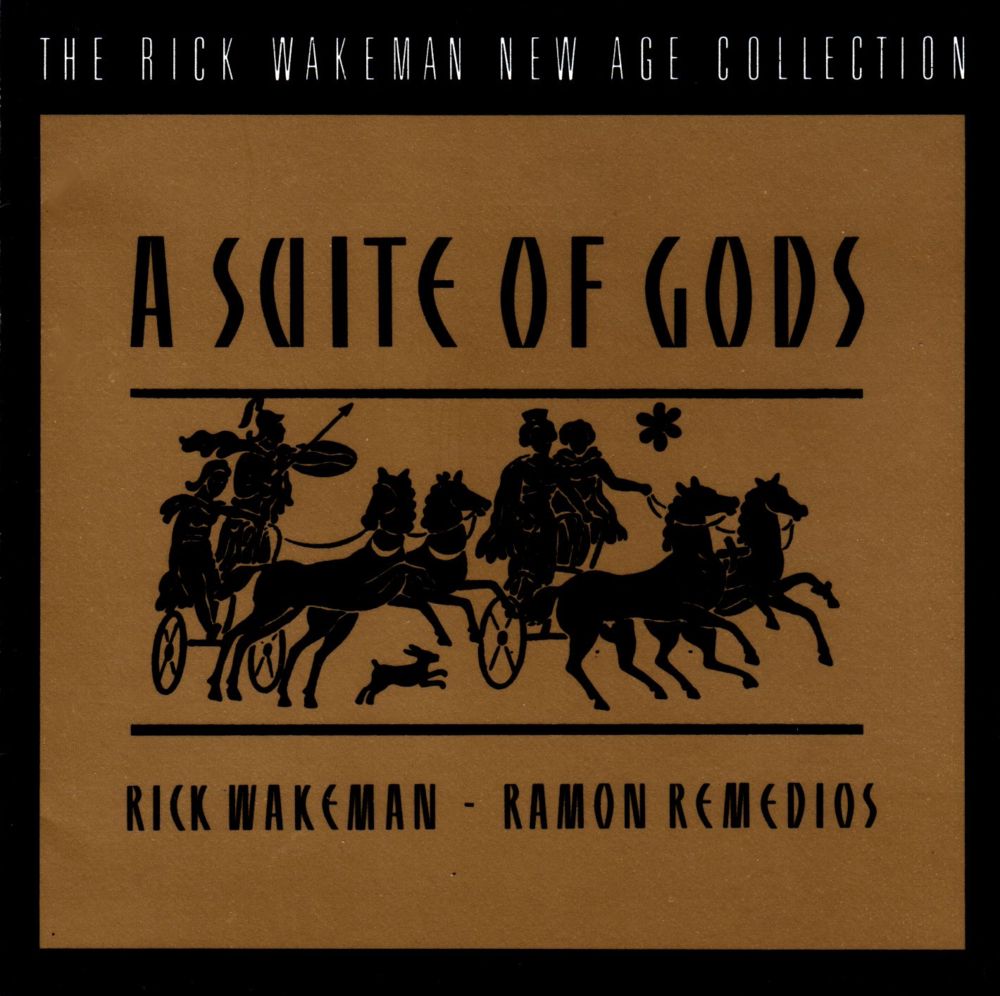
Song Meaning
The lyrics paint a vivid picture of creation, starting from a void before any celestial bodies existed. It describes a primal state of potential, where 'Nature held the force in a still form' until it 'broke free,' initiating a dramatic cosmic event. This initial breaking apart is characterized by powerful imagery of 'heavens broke from Earth with / Thunder roaring free,' suggesting a violent but necessary separation that birthed fundamental elements like fire and storm, and eventually calmed the raging seas and formed rivers. This foundational chaos then gives way to an ordered pantheon.
The narrative then shifts to the emergence of mythological figures, detailing a succession of gods who claimed dominion over various aspects of existence. Saturn's rule brought fear, Neptune commanded the seas, Pluto oversaw the dead, and Jupiter presided over all living things. This establishes a divine hierarchy that directly influences the natural world and its inhabitants, from beasts to men. The introduction of figures like Bacchus, Cupid, Apollo, Diana, Minerva, Mercury, and Orpheus further fleshes out this divine order, assigning specific domains like wine, love, the sun, wisdom, sport, and music, all contributing to the unfolding of creation.
The most striking aspect of the craft here is the direct invocation of classical mythology to explain the genesis of the world and its forces. The lyrics don't just mention these gods; they assign them concrete roles in shaping reality, from the primal breaking of the heavens to the specific powers of each deity. This creates a sense of epic scale and ancient authority, presenting creation not as a gradual process but as a series of divine pronouncements and interventions. The repetition of 'ruled' and the listing of gods with their specific domains emphasize a structured, almost bureaucratic, approach to world-building by these ancient powers.
This lyrical approach is effective because it grounds abstract concepts of creation and order in familiar, powerful archetypes. By naming specific gods and their functions—Apollo of the sun, Minerva's wisdom—the lyrics provide a tangible framework for understanding the world's formation. The progression from formless space to a divinely orchestrated cosmos, marked by powerful natural phenomena and the appearance of gods, creates a compelling narrative of origin that feels both grand and deeply rooted in cultural storytelling. The final line, 'One by one they came for creation,' neatly encapsulates the idea that the world as we know it is a product of these distinct, sequential divine acts.