Song Meaning
Rick Springfield's "Why?" is a raw, unflinching dissection of identity, expectation, and the agonizing chasm that can exist between who we are and who we present to the world. It's a confessional, steeped in regret and laced with the bitter realization that honesty, though painful, might have been the only path to genuine connection. The song’s core revolves around a central, unspoken truth – a fundamental aspect of the narrator's being that he kept hidden from his lover. This omission, born from fear of rejection ("You'd still deny I'm a man"), ultimately poisoned the relationship, leaving him grappling with the haunting question of "Why?" Why did he conceal his true self? Why couldn't she understand him? And, perhaps most cuttingly, why did she love a facade? Springfield isn't just singing about heartbreak; he's exploring the self-inflicted wounds that come from sacrificing authenticity on the altar of perceived acceptance.
The lyrics paint a vivid picture of a man trapped in a self-made prison. He acknowledges his own culpability ("Lord did I let her down"), recognizing that his silence, his inability to "be yourself," was the catalyst for the relationship's demise. The repeated questioning – "Why did she never understand me?" – isn't a simple lament; it's a desperate plea for understanding, tinged with the painful awareness that understanding was impossible from the start, given the foundation of secrecy. The phrase "it's an old song for you to forget" suggests a pattern of behavior, a history of self-concealment that has played out before, leaving him perpetually caught in this cycle of regret and longing.
Ultimately, the song meaning hinges on the universal struggle to reconcile our inner selves with the external world. It's a portrait of the devastating consequences of inauthenticity, not just on relationships, but on the individual psyche. "Why?" becomes a haunting mantra, echoing the narrator's internal turmoil and serving as a stark reminder that true love demands vulnerability, even when vulnerability feels like the most dangerous thing of all. Rick Springfield masterfully captures the agonizing paradox of wanting to be loved for who you are, while simultaneously fearing that revealing your true self will lead to rejection.
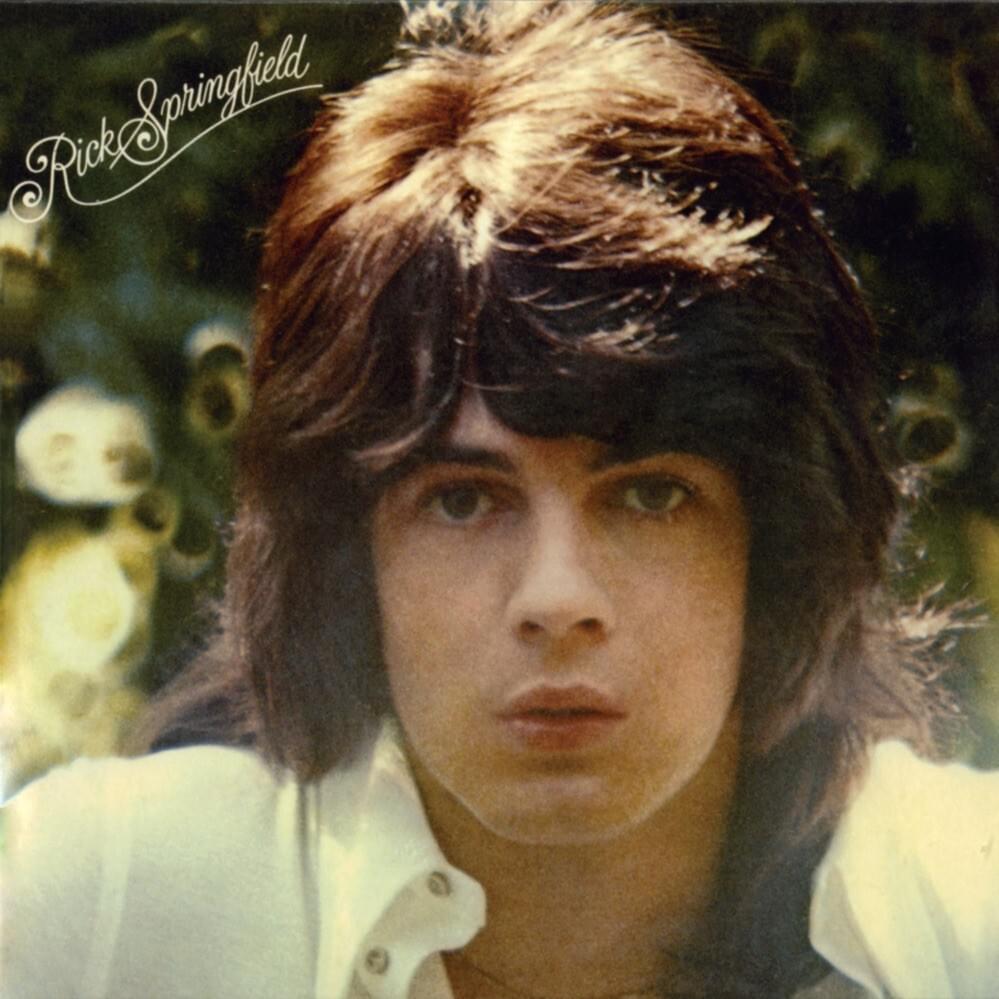
 View Artist