Song Meaning
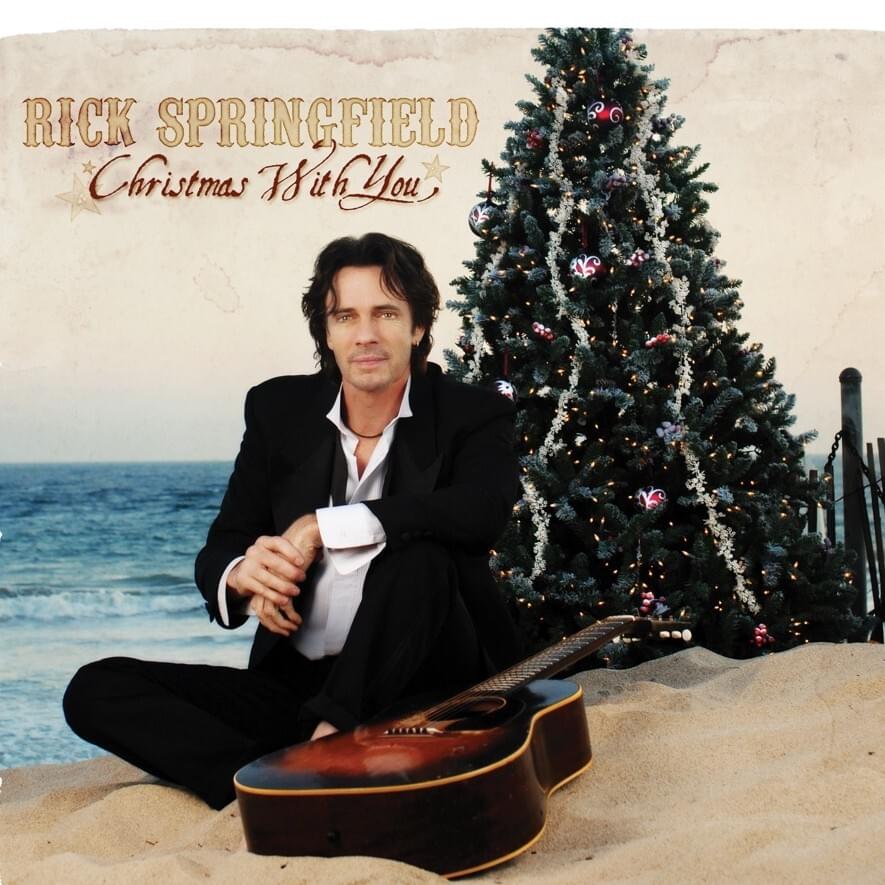
Rick Springfield tackling "O Come All Ye Faithful" presents a fascinating paradox. Springfield, known for his power-pop anthems of lust and longing, steps into the realm of reverent adoration. The song, a traditional Christmas carol, is explicitly a call to worship. Its repeated refrain, "O come, let us adore Him," hammers home the central theme of devotion to the newborn Christ. The lyrics paint a scene of celestial celebration, urging both earthly "faithful" and heavenly "choirs of angels" to join in exultation. It's a unified call for acknowledging a higher power. From a lyrical analysis perspective, the song leans heavily on direct, unambiguous praise. There are no complex metaphors or veiled meanings here; the message is clear and unwavering.
However, placing this carol within the context of Rick Springfield's broader discography is where the tension, and perhaps the deeper meaning, emerges. Is this a sincere expression of faith from an artist not typically associated with religious themes? Or is it an exploration of the human need for something to believe in, delivered through the familiar framework of a beloved Christmas hymn? The lyrics offer no specific clues to Springfield's personal intent, instead relying on the established weight and cultural understanding of the carol itself. The song functions almost as a blank slate, inviting listeners to project their own beliefs and interpretations onto the performance.
Ultimately, Rick Springfield's rendition of "O Come All Ye Faithful" becomes a meditation on faith, tradition, and the power of communal worship. Whether viewed as a straightforward expression of religious conviction or as a more nuanced exploration of the human spiritual condition, the song retains its potent emotional core. The act of singing, of joining one's voice with others in adoration, transcends individual belief and taps into a primal human desire for connection and meaning. The song meaning then resides not just in the words themselves, but in the act of uttering them, in the shared experience of celebrating something larger than oneself.
 View Artist