Song Meaning
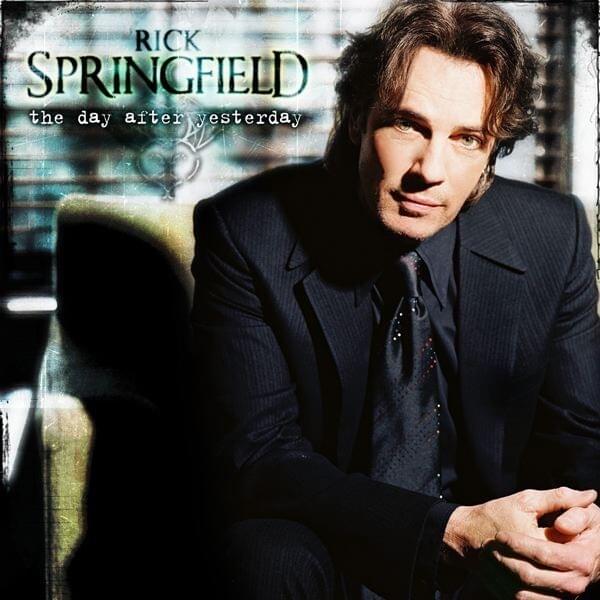
Rick Springfield tackling John Lennon's iconic "Imagine" isn't just a cover; it's an act of audacious faith. To reinterpret a song so deeply embedded in the cultural psyche requires more than just musical chops—it demands a profound understanding of its yearning for a utopian future. Springfield's take invites listeners to reconsider the song's core message within a contemporary context, challenging our present-day cynicism. It’s easy to dismiss the lyrics as naive idealism, especially now, but the song's power lies in its persistent question: What if we dared to envision a world free from the shackles of division? Springfield implicitly asks if we’ve become too comfortable with the status quo, too jaded to even entertain the possibility of global unity.
The genius of "Imagine," and Springfield’s rendition, stems from its simplicity. Stripping away the complexities of geopolitical strife, religious dogma, and material obsession, the song dares to suggest that peace might be attainable if humanity could collectively shed these self-imposed burdens. The lyrics, particularly the verses about "no countries" and "no religion," are not calls for eradication but rather invitations to transcend the limiting beliefs that fuel conflict. It's a direct challenge to our tribalistic tendencies, the ingrained 'us vs. them' mentality that has plagued civilization for centuries. Springfield understands that the song's enduring appeal resides in its ability to tap into our deepest desires for connection and belonging, hinting at a primal human longing for harmony.
Ultimately, "Imagine" is not just a song; it's a psychological experiment. It forces us to confront our own internal barriers to peace, our own attachments to ideologies and possessions that perpetuate division. When Springfield sings, "You may say I'm a dreamer, but I'm not the only one," he's extending an invitation to a collective act of imagination. It's a call to recognize the shared human experience that binds us together, even amidst our differences. This cover, then, becomes a potent reminder that the pursuit of a better world begins not with grand political gestures, but with the simple act of envisioning it.
 View Artist