Song Meaning
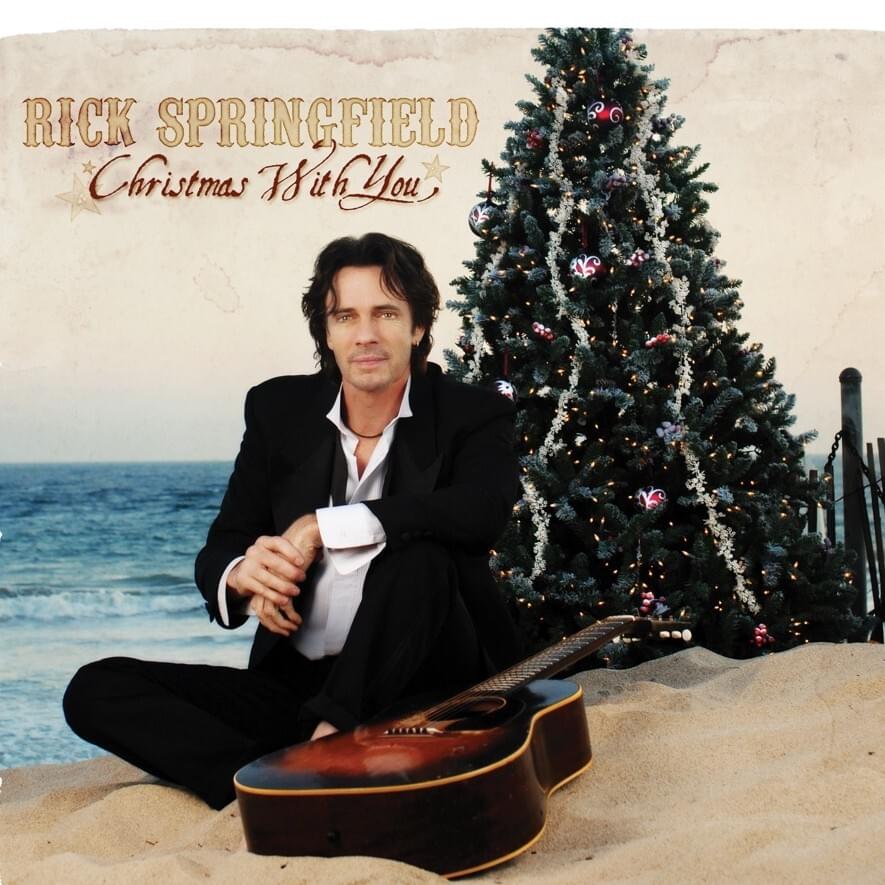
Rick Springfield's rendition of "I'll Be Home for Christmas" lands with a poignant weight, its seemingly simple promise laced with a quiet, almost desperate yearning. Stripped of overt sentimentality, the song's power lies in its implied fragility. The opening lines, "I'll be home for Christmas / You can count on me," aren't declarations of fact, but rather, pleas fueled by hope against an unknown reality. The gentle request for "snow and mistletoe / And presents on the tree" speaks volumes; these are not demands, but rather, humble wishes for a return to normalcy and comfort, hinting at a disruption in the singer's life. The 'normative' image of Christmas that one longs for underscores the absence of it.
The reference to "Christmas Eve will find me / Where the love light gleams" offers a beacon, a pinpoint of light in what might otherwise be overwhelming darkness. The "love light" acts as both a physical place and an emotional state, a refuge sought amidst turmoil. This is not merely about geographical homecoming; it's about finding solace in connection and belonging. The song subtly suggests that the singer is actively *seeking* this light, implying a journey—physical, emotional, or both—undertaken to reach it.
Ultimately, the final line, "I'll be home for Christmas / If only in my dreams," casts the entire song in a new, melancholic light. It's a gut punch, revealing the potential impossibility of the initial promise. This isn't a guaranteed return; it's a hope clinging to the edge of despair. The dream becomes a sanctuary, the only space where the singer can guarantee that connection and belonging. The song meaning twists: it's less about celebrating a joyful return and more about confronting the painful reality of potential absence, finding solace in the idealized vision of Christmas, even if only within the confines of one's own mind. It's a powerful reminder of the emotional complexities that often lie beneath the surface of holiday cheer.
 View Artist