Song Meaning
The narrator is consumed by the memory of a past love, a relationship that was intensely passionate and loving. The core conflict arises from the inability to move on after the lover's departure. The lyrics paint a picture of someone left adrift, grappling with a profound sense of loss and loneliness, unable to find a way to forget the depth of affection they once shared. This isn't just a simple breakup; it's an existential crisis born from an overwhelming love that has left them incomplete.
The central tension is the paradox of having been so deeply loved and then being utterly unprepared for its absence. The narrator recalls the intensity of the past – being desired, loved, and set ablaze with passion. Yet, the very person who ignited this love failed to provide the crucial lesson: how to unlearn it. This lack of instruction becomes the insurmountable obstacle, trapping them in a cycle of longing and despair.
The lyrics powerfully convey this helplessness through stark contrasts and vivid imagery. The initial declaration, "Me quis e me amou / Me incendiou com louca paixão" (You wanted me and loved me / You set me ablaze with crazy passion), is immediately followed by the devastating admission, "Mas não me ensinou / Como esquecer tanto amor" (But you didn't teach me / How to forget so much love). This juxtaposition highlights the unfairness of experiencing such profound connection only to be left without the tools to cope with its end. The recurring phrase "esquecer de você" (forget about you) becomes a desperate plea, underscoring the narrator's fixation.
This inability to forget is what makes the lyrics so potent. The narrator isn't just sad; they are actively seeking the lost lover, not necessarily to rekindle the romance, but to learn the very skill they were denied: how to forget. The plea, "Eu preciso encontrar com você / Sentir esse amor, mais uma vez / Nem que seja pra gente se ver / E eu aprender como esquecer de você" (I need to meet with you / Feel this love, one more time / Even if it's just for us to see each other / And I learn how to forget about you), reveals a heartbreaking logic. The only way to learn how to forget the love, it seems, is to experience it one last time, a desperate attempt to find closure through a final, paradoxical encounter.
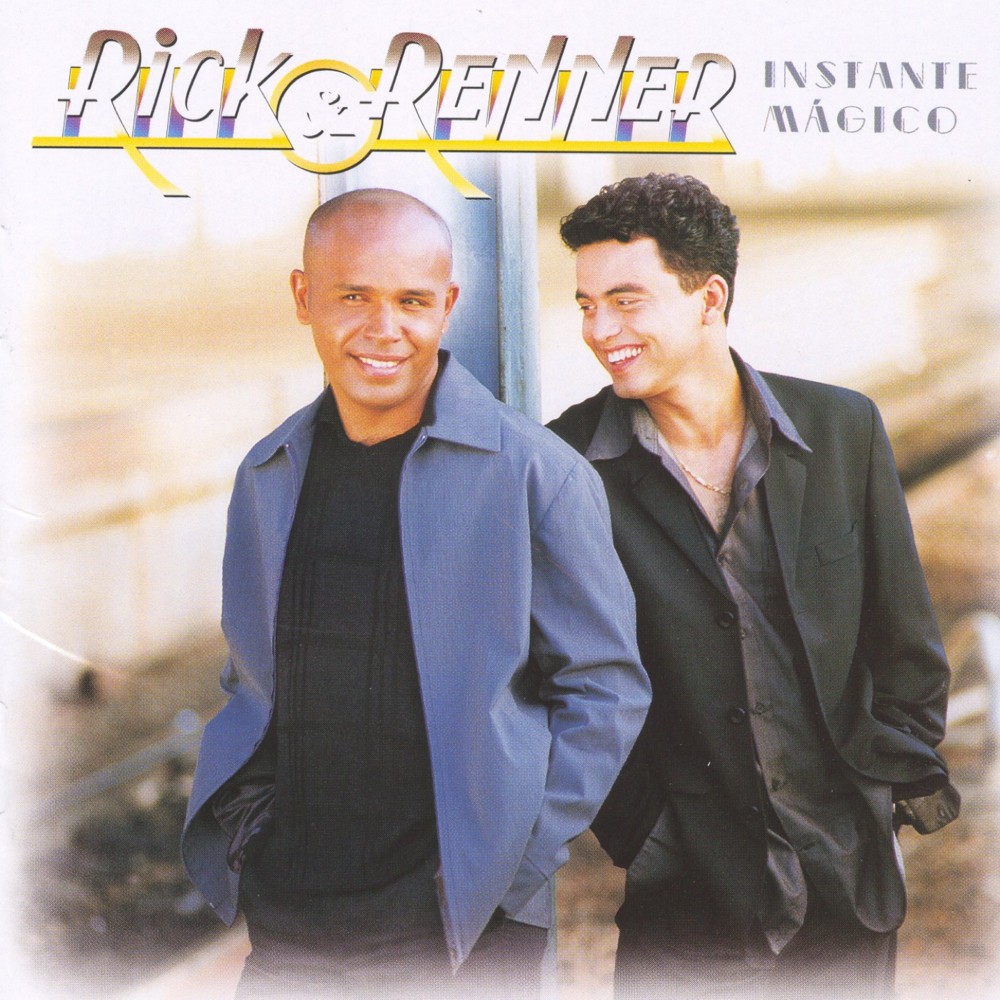
 View Artist