Song Meaning
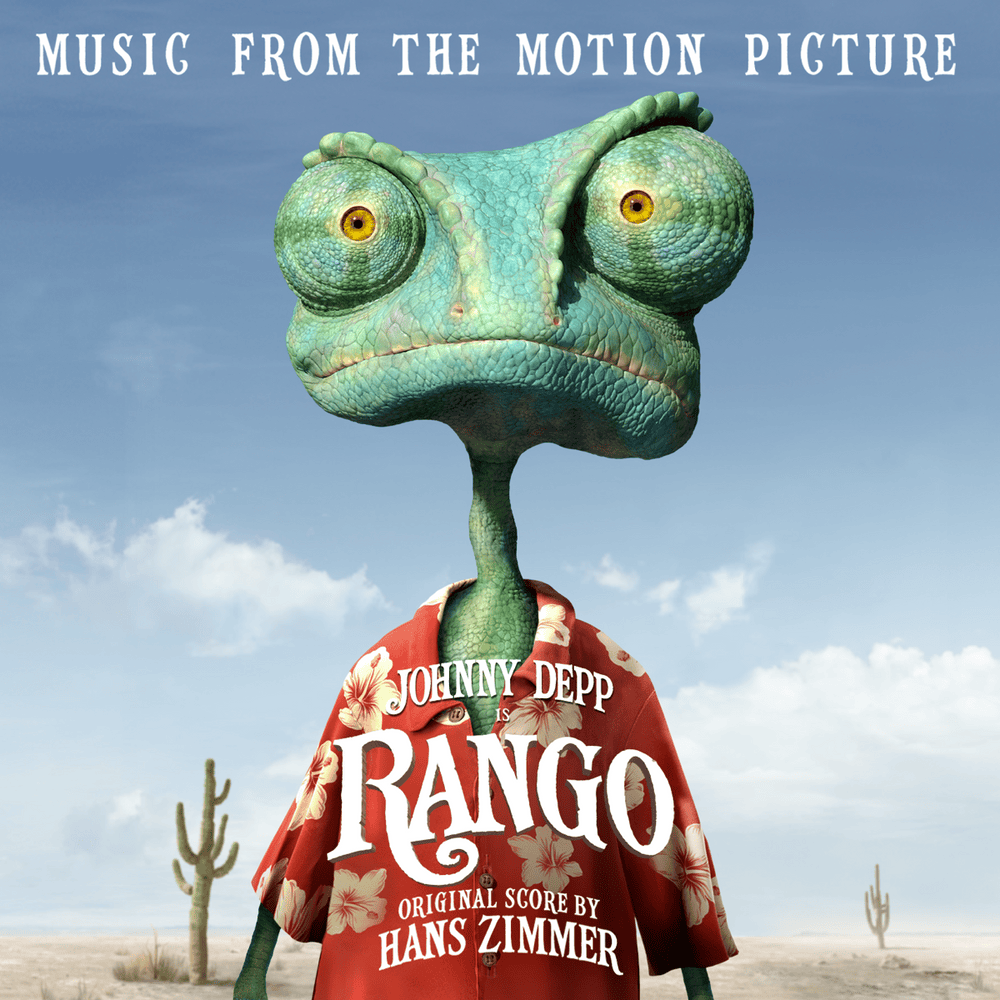
{"song_id": 14456638, "meaning": "Hans Zimmer's \"Welcome to Dirt\" isn't a song in the conventional sense; it's a snippet of dialogue, a brief existential overture scored for the theater of the mind. Pulled from an unknown project, the exchange between the characters Beans and Rango crackles with the tension between authenticity and performance. Beans' initial question, \"So who are you, really?\" is the crux of the piece. It's a challenge, an invitation to strip away the layers of constructed identity. The simplicity of the query throws Rango into a defensive posture, a flurry of self-definitions that ultimately reveal more about his anxieties than his true self.
Rango's response is a masterclass in deflection. He's a \"man of many epithets,\" hiding behind a series of masks – stage name, pen name, avatar. Each label is a carefully constructed persona, designed to manage perception and control the narrative. The mention of a \"maiden name\" adds a layer of ironic absurdity, suggesting a deeper discomfort with traditional notions of masculinity and identity. It implies a longing for a connection to something more genuine, even as he actively perpetuates the artifice. This brief dialogue encapsulates the struggle to define oneself in a world saturated with manufactured realities.
Ultimately, \"Welcome to Dirt\" serves as a commentary on the performative nature of identity. Zimmer's score, though absent in the provided lyrics, likely underscores this tension, perhaps utilizing contrasting musical themes to represent the authentic self and the constructed persona. The song meaning, then, isn't about finding a definitive answer to the question of \"who are you?\" but rather about exploring the complex and often contradictory ways in which we present ourselves to the world, and the price we pay for maintaining those facades. It's a reminder that beneath the epithets and avatars, there's a fundamental human desire for genuine connection, even if it means confronting the dirt and grime of our own imperfections."}
 View Artist