Song Meaning
The narrator announces a definitive end to a relationship, stating plainly, "The thrill is gone." This isn't a plea or a question; it's a declaration of finality. The repetition hammers home the absolute departure of excitement and passion. The phrase "You know you done me wrong" hints at past hurts that likely led to this point, setting a tone of weary resignation rather than explosive anger. It's the sound of a slow burn finally extinguishing.
Despite the loss of the "thrill," the narrator acknowledges a lingering loneliness and the difficulty of moving on. "So lonely I'll be" suggests the void left behind is significant, even if the excitement has vanished. There's a clear internal conflict between the desire for freedom and the pain of solitude. The lyrics paint a picture of someone who has made a tough decision, knowing the immediate aftermath will be difficult.
The most striking aspect is the shift from the initial blunt pronouncements to a more reflective, almost hopeful, outlook. The narrator moves from stating the obvious absence of feeling to envisioning a future where they are "over it all." This transition, marked by the phrase "Someday I'll be over it all," suggests a process of healing is anticipated, even if not yet realized. The final lines, "All I can do is wish you well," offer a surprising grace note, indicating a mature acceptance and a desire to move forward with peace.
This emotional arc, from stark declaration to eventual well-wishing, makes the lyrics resonate. The writing doesn't just state the end of a relationship; it maps the complex emotional terrain of that ending. The power lies in its directness, its acknowledgment of pain, and its ultimate embrace of a future free from the relationship's grip, even if that freedom initially feels empty.
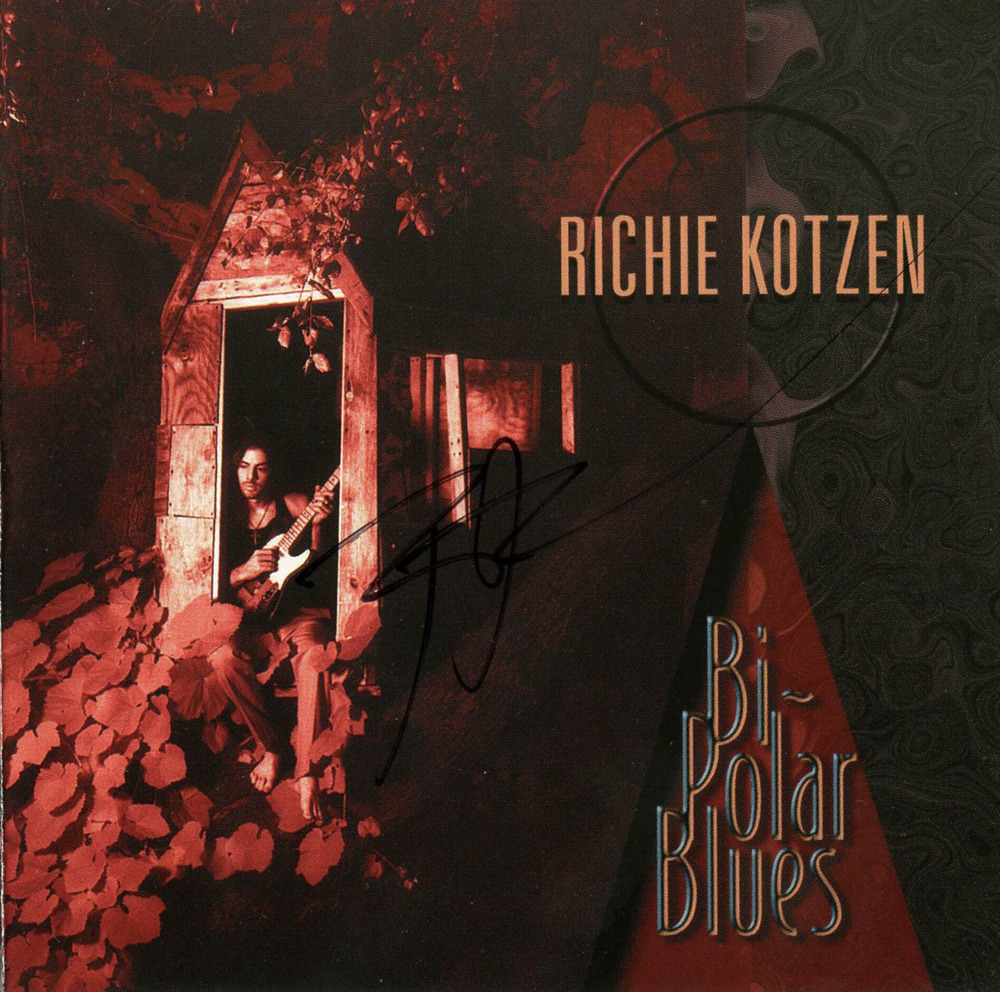
 View Artist