Song Meaning
The narrator is caught in a crisis of faith, both spiritual and personal. They admit to faking their prayers and acknowledge that their feelings are ultimately detrimental. This internal conflict leaves them disoriented, questioning their own presence and state of being, feeling lost in a "fog" and a "final dream."
The core tension arises from a desperate need for external validation and salvation, specifically from another person. The narrator feels a profound sense of brokenness, stating "there is no light where I come from," and contrasts this with the transformative effect of the other person's presence, which they describe as "sacred ground." Yet, this salvation is fraught with doubt, as the narrator struggles to believe in the offered love and fears vulnerability, asking "how do I let you touch me?"
The lyrics powerfully employ contrasting imagery to highlight this struggle. The narrator's internal state is characterized by darkness, fog, and faking, while the presence of the other person brings a sense of sacredness and potential light. This duality is amplified by the repeated questions about trust and vulnerability, such as "how do I know you'll love me?" and "How to bring light to the dark?" The narrator is caught between a desperate plea for help and a deep-seated fear of receiving it.
This song resonates because it captures the paralyzing effect of self-doubt and past trauma on present relationships. The narrator’s plea for their eyes to be opened and for help to be strong reveals a yearning for genuine connection and self-acceptance. The "sacred ground" metaphor suggests that while the other person offers a path to healing, the narrator's own internal barriers make that path incredibly difficult to walk.
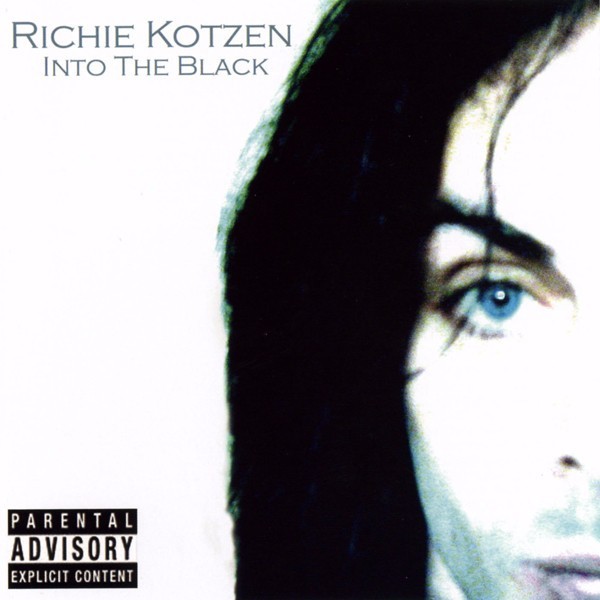
 View Artist